








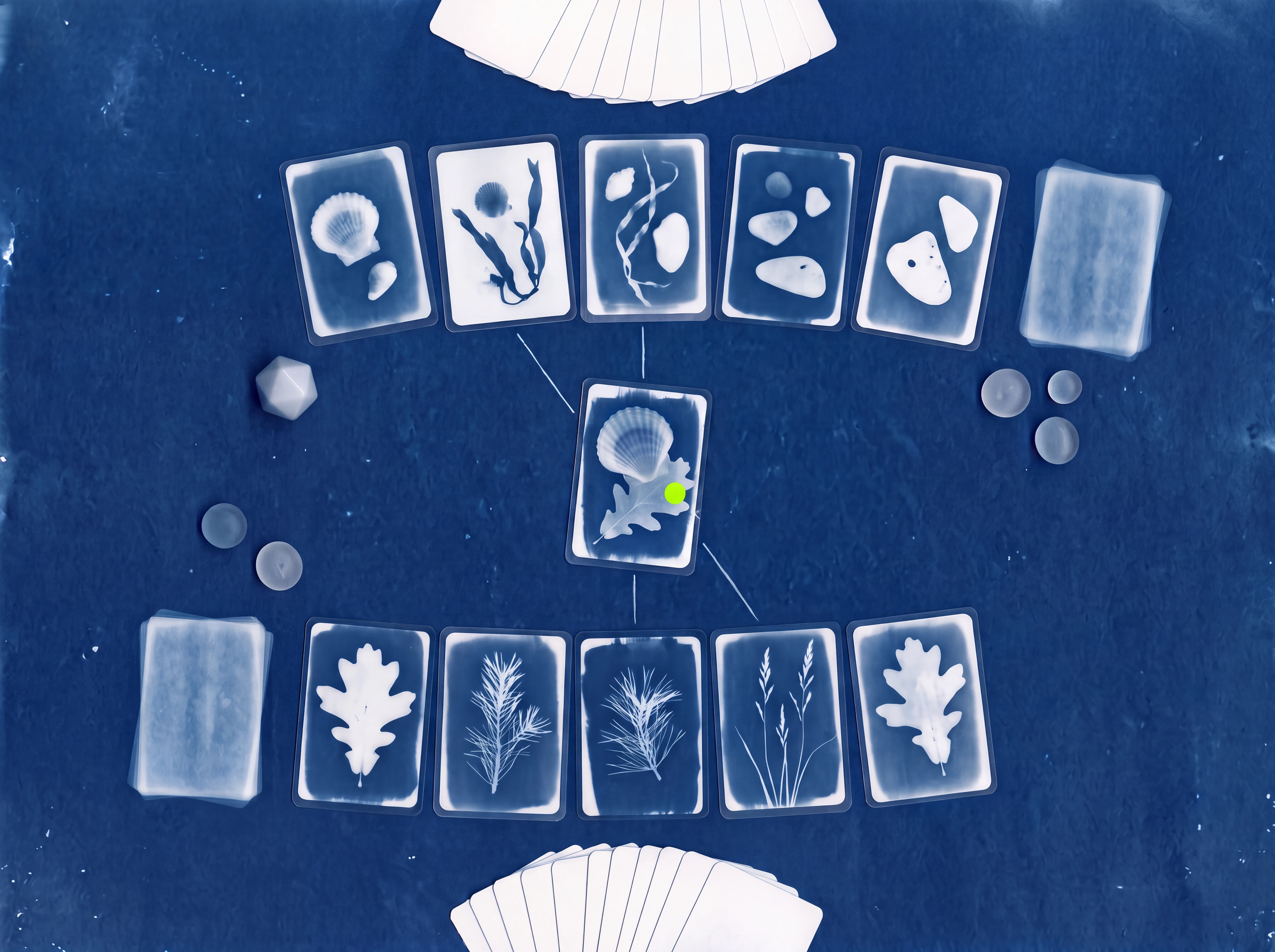
I like to say that Magic: The Gathering (MTG) is “golf for game designers.” It’s our networking sport. I keep a Dandân deck (a single-deck variant of Magic) in my backpack at all times. If I’m at any game-professional meetup, you better believe I have MTG decks with me. I’ve never failed to find new friends to play with at events—everyone is in.
MTG is booming right now—with numbers like $1.72 billion in revenue in 2025 alone; a sprawling ecosystem of communities and creators attached to each aspect of the game; and worldwide conventions and tournaments that draw tens of thousands of players (or planeswalkers, if you’re into the lore) to play, socialize, trade, and bask in the history of a game built around bits of cardboard, dice, and community. Somehow, over 33 years, the game has stayed fresh, relevant, and a keystone of gaming culture. It has produced decades of innovation in its play and grown far beyond the imagination and expectations of even its creators.
What reads as a complicated set of rules, edge cases, and turn-taking on first blush becomes exquisitely clear once you learn how the game’s engine works. Shuffling a poker deck creates more possible card orderings than there are atoms on Earth—and that’s 52 cards. Imagine a deck that selects from more than 30,000 unique cards, each subtly altering the rules and interactions of the game you actually play. This is the design and play space of Magic.
And yet, even with an incomprehensible number of possible card combinations, the gameplay remains exciting, engaging, and interesting. How did Wizards of the Coast, the company behind Magic, get to such a large but interpretable system, one that has remained popular and profitable across three decades?
There are three answers to this question that can help balance business, design, and community considerations across various creative disciplines.
1. Continuous playtesting allows for constant evolution
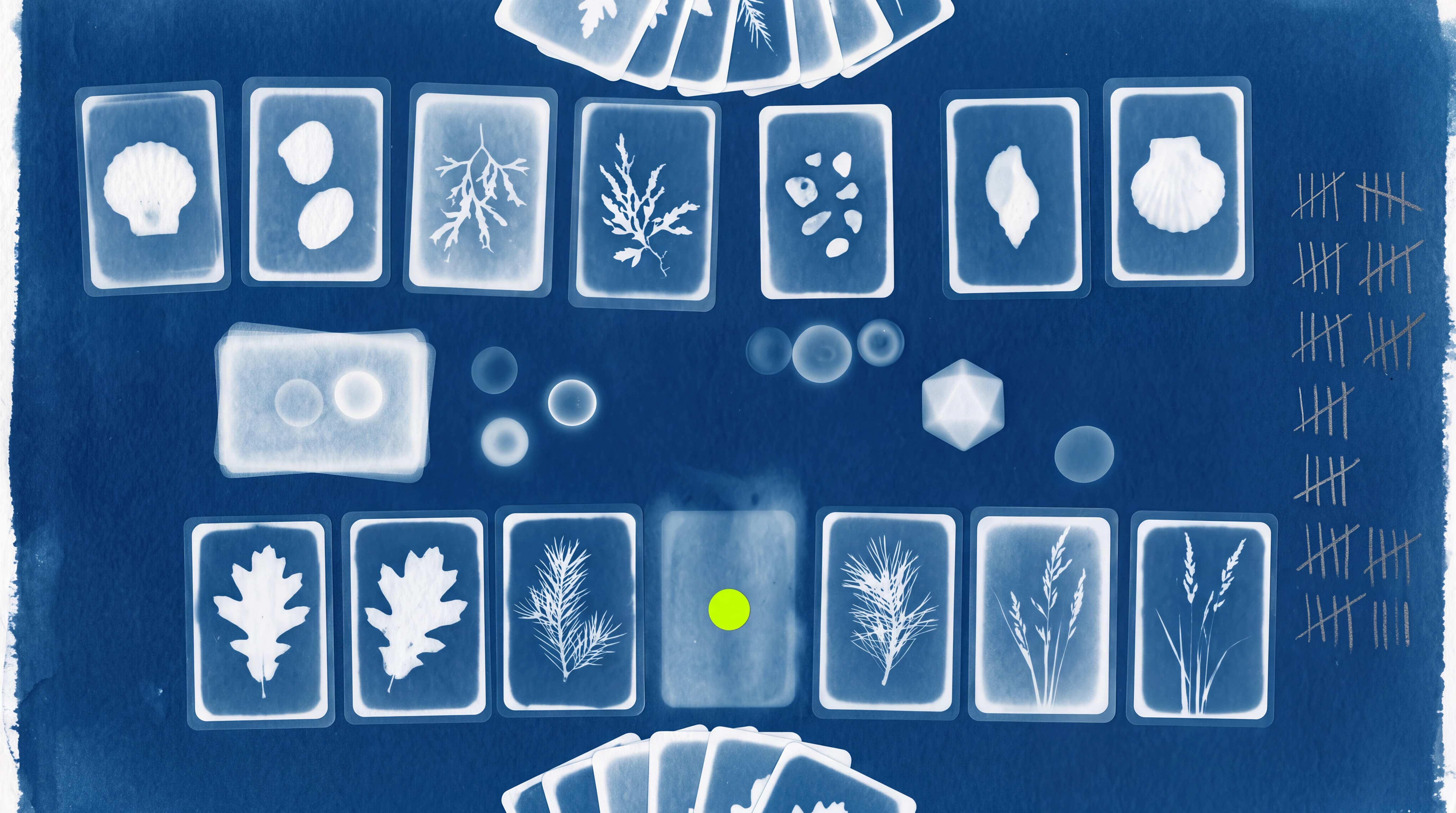
The thing about emergent design and business engines is that you have no idea how the entire system will behave until it is literally running. While theory, simulations, AI, and whiteboards can help you imagine how an engine will perform, the real interaction ultimately happens with unpredictable humans. It’s essential to see your engine in action—particularly when your design or business environment is a vast intersection of moving pieces—whether through direct observation and ethnography, quantitative measurements, or even localized “mesearch.”
That’s exactly what Wizards of the Coast has its designers do: extensive playtesting of cards far in advance of any release—a gauntlet of their top experts pressure-testing every novel design for narrative and artistic coherence and spotting where the past catalog of cards interacts negatively with new releases. Does this process allow them to release a stable product every time? Absolutely not. That’s an impossible expectation. But their game, like many products and businesses today, can be modified over time. Wizards of the Coast watches tournament play, player sentiment, sales, and more to know when to pull cards back. When they do, they implement card “bans.” Bans carry a real cost for players who own the affected cards, but they give Wizards of the Coast a way to correct problems they’ve inadvertently introduced during design. This is a key piece of how the game has evolved while staying relatively stable over decades.
2. Player ownership leads to long-term fandom
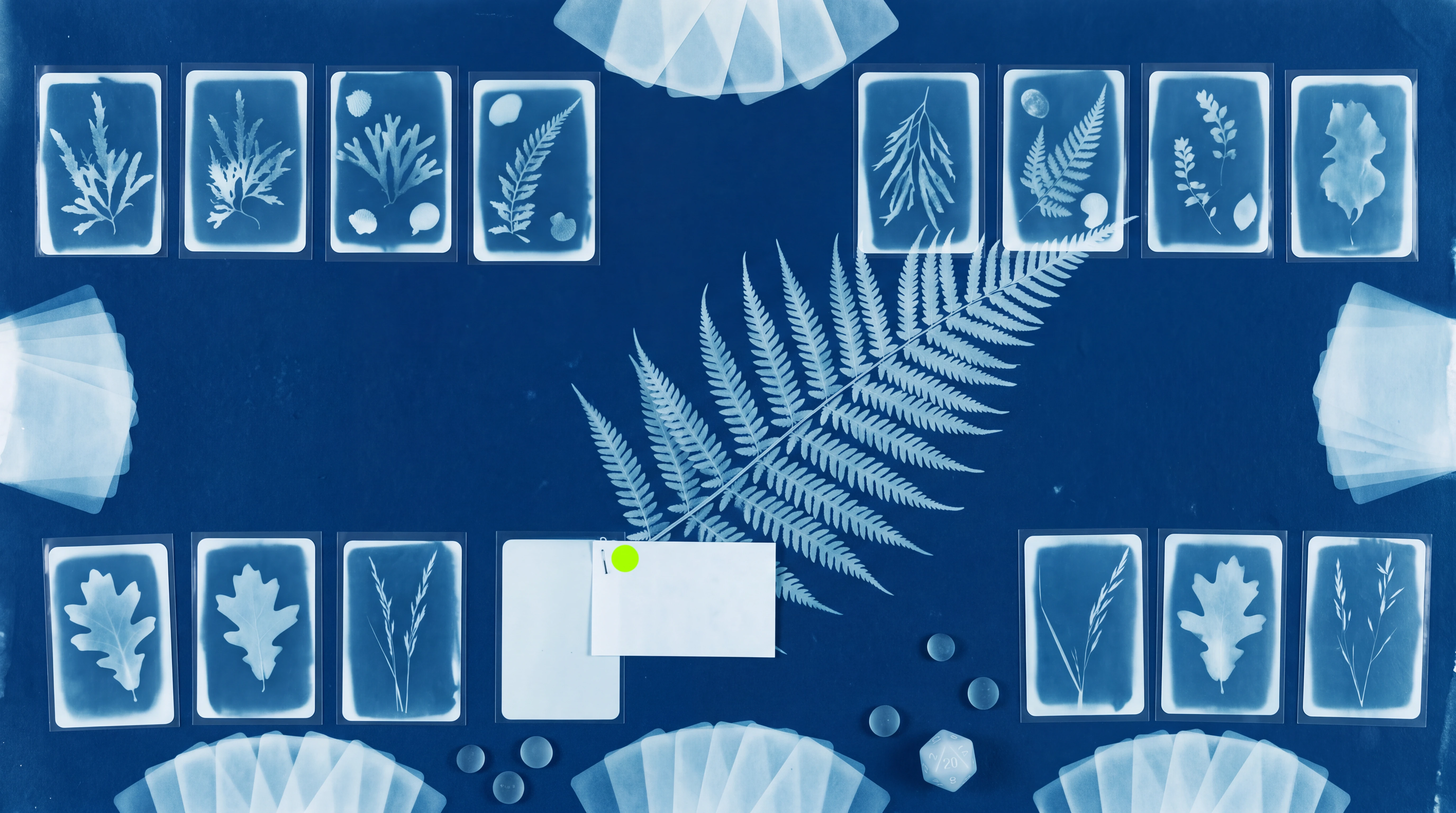
Trusting your audience and giving them ownership of the game is crucial to keeping them. As a game designer, you only have control over your design in the lab, the office, and your mind. Once it's released, people will figure out ways to use your creation sideways—in ways that bring them joy through creation and modification—the same feelings you had when you originally made the game.
The best example of this is the “Commander” format. In the mid-’90s, Adam Staley and his playgroup—players tired of repetitive decks, a passion for informal “kitchen table” gaming, and a love of kick-ass dragons—created a version of MTG called Elder Dragon Highlander (yes, a direct reference to that Highlander). The format kept Magic’s core mechanics, turn order, and card text but tacked on a few additional rules. Players could have only one copy of any card except basic lands in their deck, and each deck had a special “commander” card (initially limited to elder dragons) that influenced the deck’s composition. The late Sheldon Menery, a Magic judge, adopted the format, refined its rules and social philosophy, and promoted it throughout the judge community. He later founded the volunteer Commander Rules Committee that managed the format. Over time, this style of play evolved into the modern concept of Commander. The format was embraced by the community and spread rapidly—to the point that today, Commander is the most-played game type in Magic.
Commander’s exploding popularity wasn’t pure grassroots growth—Wizards of the Coast noticed this format taking off, and instead of insisting, “No, we only want you to play our way,” they nurtured it, printing cards specific to the format, hosting events that enabled casual play, and bringing it into every set. They didn’t do this as a pure replacement for the competitive formats of Magic once hosted on ESPN2—it became a branch that blossomed alongside their initial, sanctioned intentions.
Players love the game because it gives them a sense of ownership. They express their own creativity by building their decks and showing off what makes their playstyle special, all while bringing people together around a table to socialize, chat, and more. MTG creates true third spaces that let us see how games and their engines tick in slow motion, move in unexpected ways, build community—and grow their business.
3. Transparency makes for a better product—and moves the whole industry forward
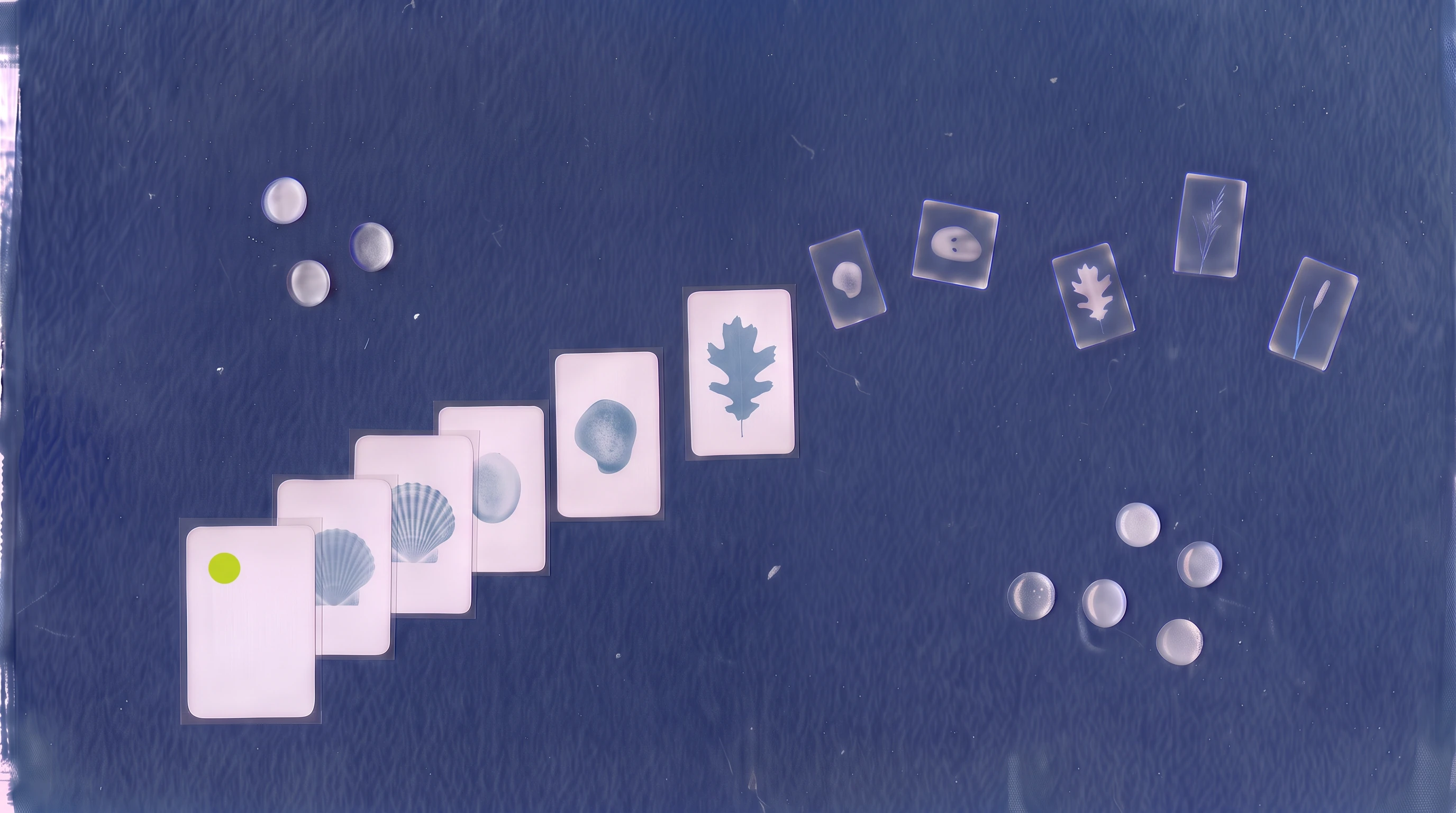
Many game designers keep the strategies behind their creations close to their chest. It’s their special sauce—if someone else grabs hold of it, the competition may outdo them. While it may seem counterintuitive, sharing your design decisions, discussing wins, and responding to losses builds rigor and confidence in your craft that keeps you an expert while pushing the entire space forward. Magic’s design team has always been transparent about its design strategy. You can find 30 years of lessons in the blogs, books, podcasts, and videos the game makers have shared. Magic is more than a game—it’s an encyclopedia of what play does when it’s released into the dark forest of consumers and players.
Documenting your design isn’t self-congratulatory commentary. It’s an exercise in honesty. Take the infamous “combo winter” of the late-’90s. Wizards of the Coast developed the Urza’s Saga set with creativity and novelty in mind. This priority, unfortunately, led to new cards so powerful that players could win on the first turn, with little chance for opponents to interact or counter. For many, these cards ruined the game entirely. Wizards of the Coast quickly admitted its mistakes, banned the problematic cards, and pledged to reduce the power level of future cards.
The immediate response isn’t the only way in which MTG addresses its mistakes. It shows a remarkable willingness to acknowledge errors and, more importantly, to share the lessons learned. Mark Rosewater, Magic’s current head designer, maintains a blog called Blogatog, where he answers community questions in real time. In 2024, Rosewater took to the stage in front of a packed convention hall and openly discussed “The 20 Worst Mechanics of All Time” in the game. He went into granular detail about his ranked list of poor design decisions and explained how each experience helped the design and playtesting team understand what works about the game—and what doesn’t.
It can be scary to think that sharing your process (and your failures) is the best path to better design. You don’t want to lose your inventions, your discoveries, your insights. But you can push back against these anxieties with the myriad benefits sharing brings. It’s exhilarating to hear your audience discuss your creations with ownership and deep engagement, and it can be deeply meaningful to know you are inspiring the next generation of designers and players. The process of invention can be as much fun as play. Sharing it heightens the possibilities of whatever you make.
Embrace the Blind Eternities
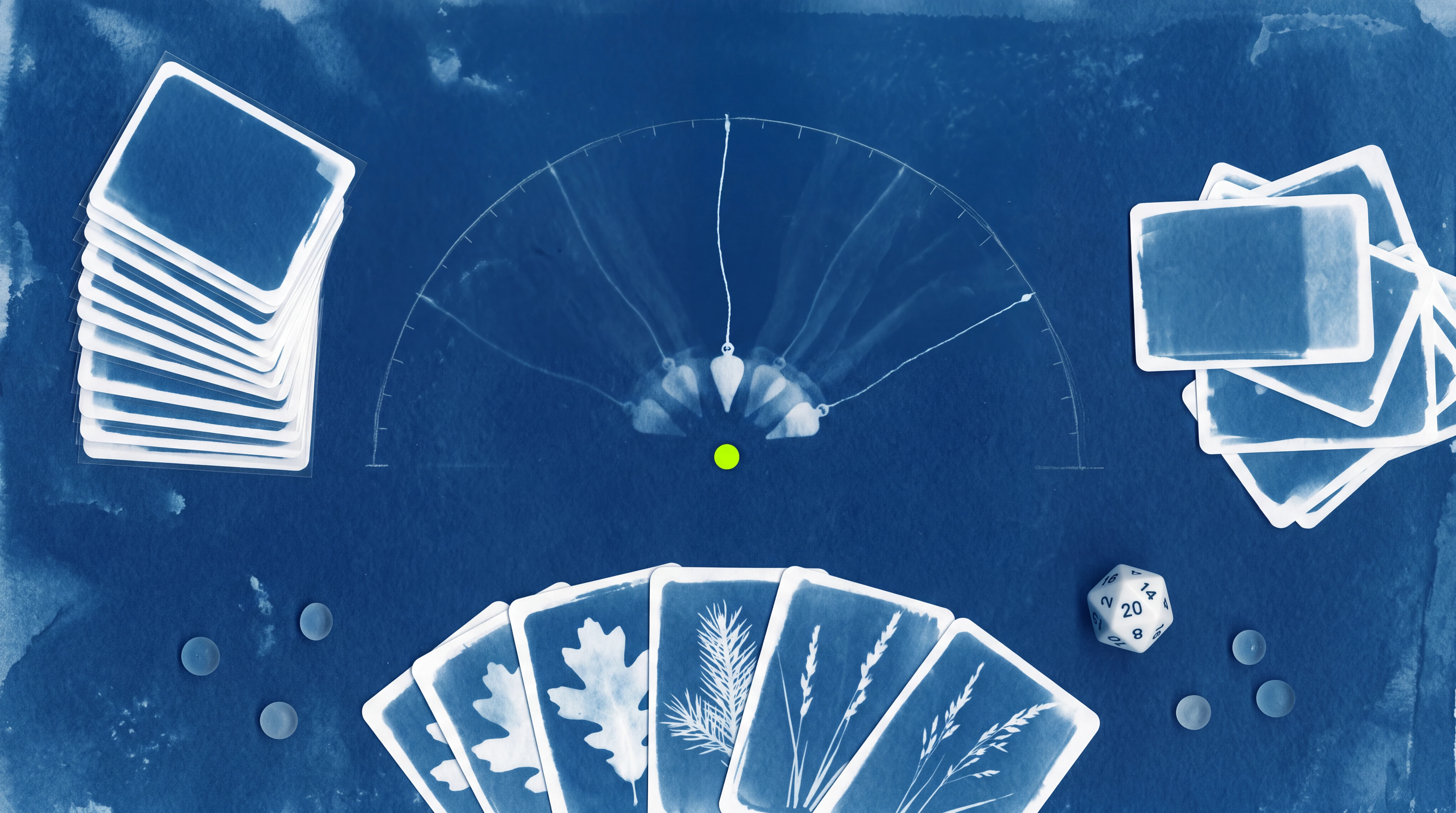
In MTG lore, the Blind Eternities is the space between well-defined universes—a place of twisting chaos, unbridled power, and mind-bending beings. It’s also a good metaphor for the space where gameplay, game design, and business objectives come together. That particular intersection gives MTG creators permission to continue evolving, share their strategies, and find new worlds while letting the ones that didn’t work out fade away. Balancing all three is what Horst Rittel and Melvin Webber described as “wicked problems”: problems without a definition or end.
This isn’t a bad thing. Navigating wicked problems is one of the most pleasurable journeys a designer can take, and taking even a single step forward or backward on that path should be treated as a victory.
So make your play. Talk about your success, your defeats, what you will do next. Bring people together; create third spaces where communities can share and interact. Build engines that can drive all sorts of creativity. Cast some spells, walk into new planes of the multiverse, and do math on your blockers. There’s a lot to learn from Magic: The Gathering.
Heading 1
Heading 2
Heading 3
Heading 4
Heading 5
Heading 6
Lorem ipsum dolor sit amet, consectetur adipiscing elit, sed do eiusmod tempor incididunt ut labore et dolore magna aliqua. Ut enim ad minim veniam, quis nostrud exercitation ullamco laboris nisi ut aliquip ex ea commodo consequat. Duis aute irure dolor in reprehenderit in voluptate velit esse cillum dolore eu fugiat nulla pariatur.
Block quote
Ordered list
- Item 1
- Item 2
- Item 3
Unordered list
- Item A
- Item B
- Item C
Bold text
Emphasis
Superscript
Subscript