








At a time when it feels like AI slop is creeping in almost everywhere, we asked our colleagues: What is inspiring you in your craft right now? Their answers are a wild smattering of books, podcasts, games, crafts, and experiences that have inspired everything from puppet shows to new onboarding experiences—and they just might just help you shake something loose, too.
1. Blue Prince by Dogubomb
Blue Prince is a very challenging puzzle/point-and-click video game of the same lineage as ’90s favorites Myst and Riven. You have to fill in 45 empty room slots with different room types that hopefully create a pathway through a house. As you play, you realize that many of the things you took for granted (clocks, framed art, a random sculpture) are there to provide the puzzle within the puzzle, which is to unravel a bigger world of espionage, intrigue, and incredibly challenging logic puzzles.
Blue Prince is the first game to deploy floor plans as an element of random number generator (RNG) gaming (which often uses card decks, dice rolls, or procedurally generated maps to add an element of chaos and difficulty, ensuring no one run is the same as another). It’s incredibly unique, immersive, and detailed. It’s not as in-depth as something you’d find in a J.R.R.Tolkien- or Frank Herbert-imagined world, but it has its own language you have to semi-learn to unravel clues. You start noticing weird things, like some rooms have chess pieces, while others don’t. Why? When I go into this room in the evening, another door appears. Why? It’s very difficult—I feel like I have to work for my accomplishments, and the payoff is so much greater.
As a spatial designer, it’s been such a delight to see my craft used this way! It’s pushed me to think about how I could make 3D models that express the essence of an opportunity area, rather than representing a literal space. What if I could design a room with details like furniture, framed art, tchotchkes, and ephemera that tell a bigger story?
—Bri Patawaran, San Francisco
2. The Book Of Symbols: Reflections on Archetypal Images by Ami Ronnberg and Kathleen Martin
As a game designer at IDEO, I see games as symbolic and systemic representations of a story or world. I bought this book specifically to use as a resource for side projects and prototyping.
I’ve always loved the breadth of symbols and their meanings in this book—not just in a material sense, but also as a shared language for the inner world of humans, across time and geography. Every so often, I love starting or winding down my day by flipping to a random page. I always learn about an interesting value, perspective, or belief and, in an almost journalistic way, relate that back to my own life events and symbols.
—Ridima Ramesh, San Francisco
3. “The Art of Being Unreachable” by Alexis McElroy
I find myself returning to this article because it treats hobbies as sanctuaries rather than filler. They're spaces you build that belong entirely to you. It’s an argument for having an interior life that doesn’t require an audience, and that idea keeps surfacing whenever I catch myself performing instead of just doing the thing. In a culture where instant gratification is showcased, explored, and indulged through social media, I find something beautiful in a fulfillment that depends on nothing but your own interests.
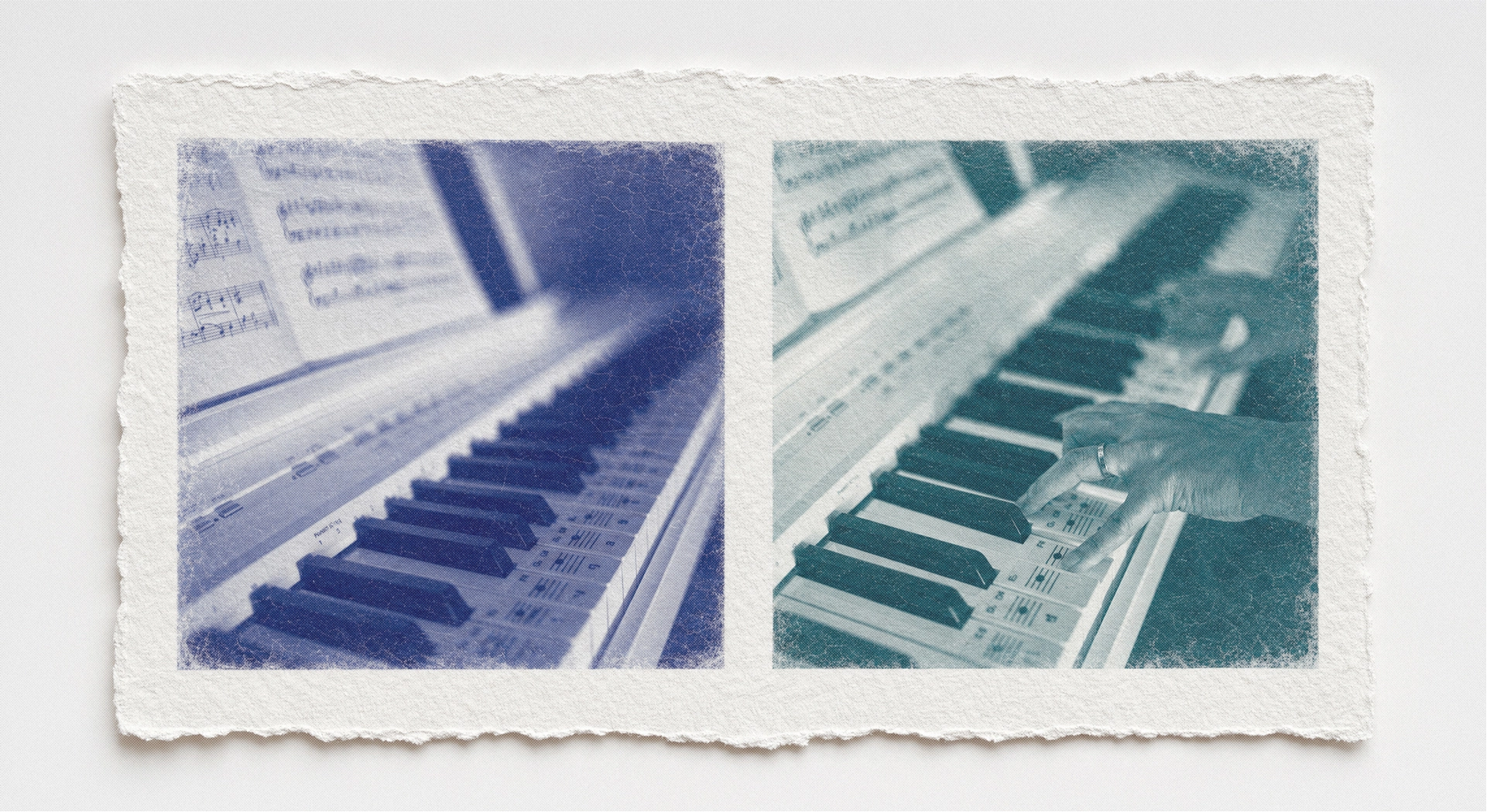
What inspires me here is the idea that depth is cultivated in hours nobody witnesses. The intricate details of a design are honed the same way, in the extra hours of attention that no one sees and few people could name, but most people can feel. After reading this article, I was inspired to find a hobby that would require real patience. I began taking piano lessons to adopt a beginner’s mindset again, and because I wanted to commit to something with no shortcuts and no ceiling on how good you can get.
—Sierra Hillman, San Francisco
4. Station Model Violence by Station Model Violence
This recent self-titled record by one of my favorite Australian punk bands is really, really good. I have played it on good and bad days; it finds my heart every time. It’s a fine example of why modern punk music is a compelling art form. New groups pop up and immediately expand the sonic palette, a continuous reimagining of the genre.
It inspires me to force my own reinvention. To seek new ways to express my craft. To try to make work with meaning. To taste the sun!
—Zach Hobbs, Cambridge
5. Phenomena: An Infographic Guide to Almost Everything by Camille Juzeau
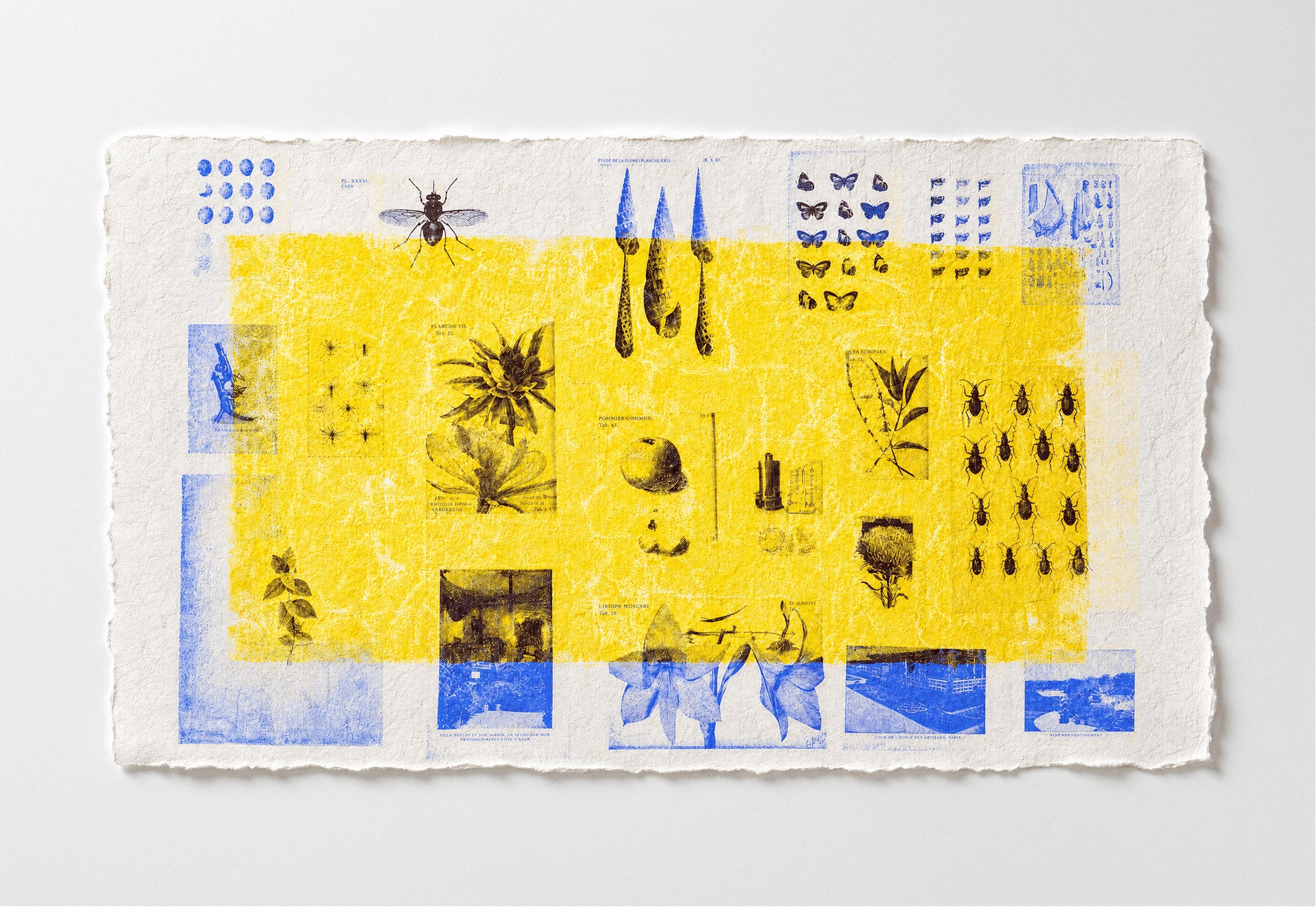
Came for the book’s beautiful spot color printing and well-crafted design; stayed for the endless facts and topics.
I’ve always been enamored by infographics and diagrams. Growing up, I loved the DK Eyewitness books. I spent hours just looking at the pictures, and sparking my curiosity. As someone who works on solving visual problems and communication, I love getting lost in a good diagram or map. This book reminded me of those endless hours as a kid flipping through books and learning about new topics.
We have so much information at our disposal now. Sometimes I just want to explore something completely random, with no algorithm attached. I love this book because it covers a wealth of topics, each contained to a single page. It’s like a cross between an encyclopedia and a cabinet of curiosities. It provides an amazing reference for distilling complex topics down into a clear, digestible, memorable single page. And it’s helped inform my approach to a deck I’ve been working on.
—Lucas Nelson, Chicago
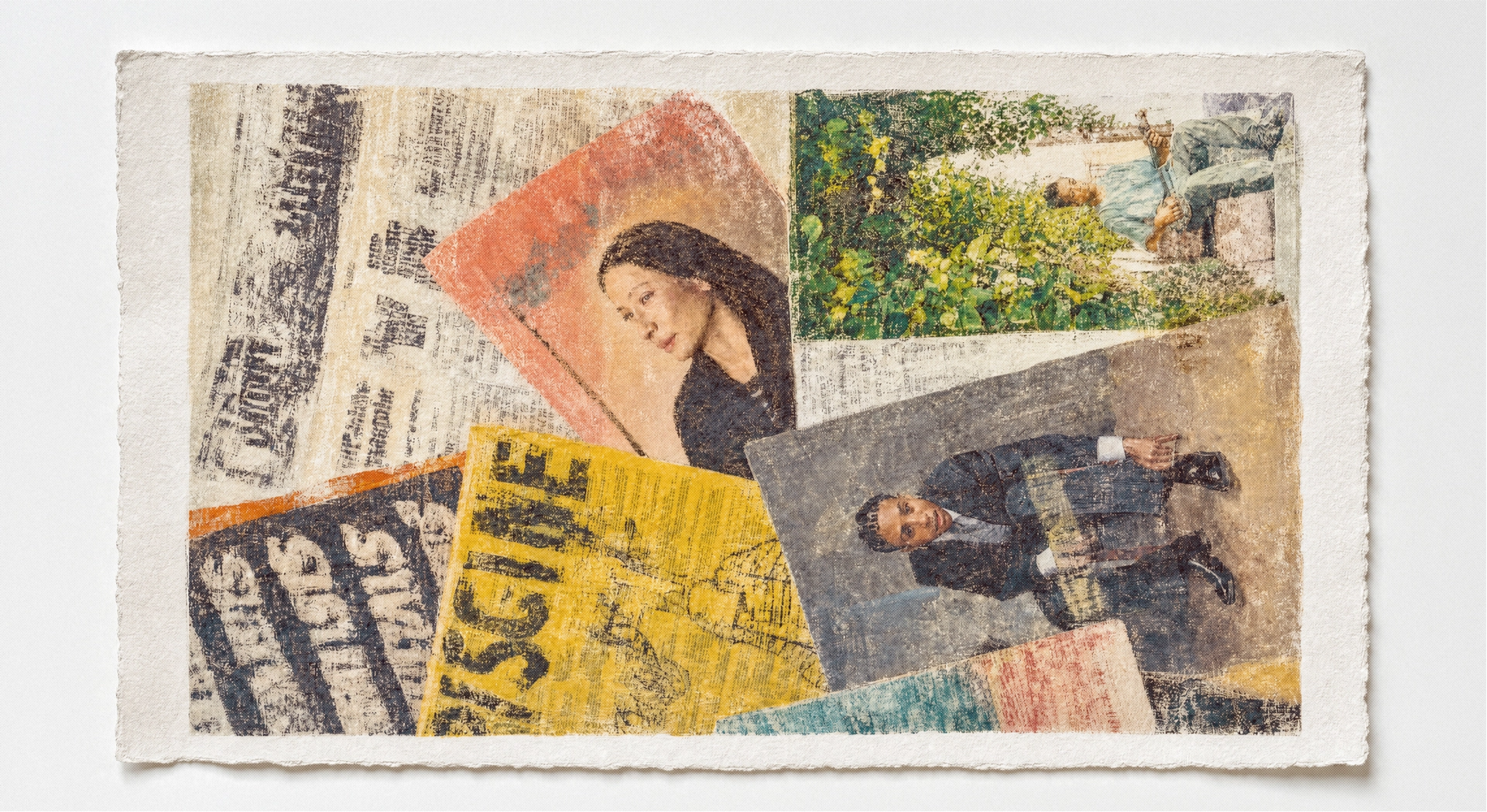
6. Stack magazines subscription service
Stack is a curated subscription service that sends you an interesting independent magazine from around the world every month. I like that it’s completely random and introduces me to niches and new ways of seeing the world I would never discover through my regular avenues.
From a human-centered perspective, it helps me stay humble, curious, and inspired to explore more of the world. There are so many lived experiences beautifully articulated in these publications, and so many people who are amazing at their craft, that it just drives me to want to be better at mine. It’s an ongoing jolt of motivation. I have them lying in a stack (no pun intended) by my desk. Pulling one out at random and flipping through it is often enough to reenergize my creativity.
—Dan Read, Austin
7. The university-based retirement community and programs for lifelong learning for older adults
Globally, universities are beginning to rethink their role in society, envisioning themselves as institutions that support learning, purpose, and community throughout a person’s entire lifetime, rather than just four years. It’s an idea that challenges one of our deepest assumptions about education: that it has an endpoint.
As a futurist, I’m always drawn to ideas that redefine an entire system. This signal made me wonder what happens if we stop designing education around age and instead design it around curiosity, contribution, and belonging?
The most important, provocative future signals are rarely about technology; they are more about people’s needs. This one influenced my research on belonging and healthy, purposeful aging, particularly the idea that learning, purpose, and community are essential infrastructure for living well.
This is also personally meaningful. I’d like to see my later years filled with opportunities to learn and join a community at a university I admire. To me, that would be the best retirement.
—Jennifer Lo, San Francisco
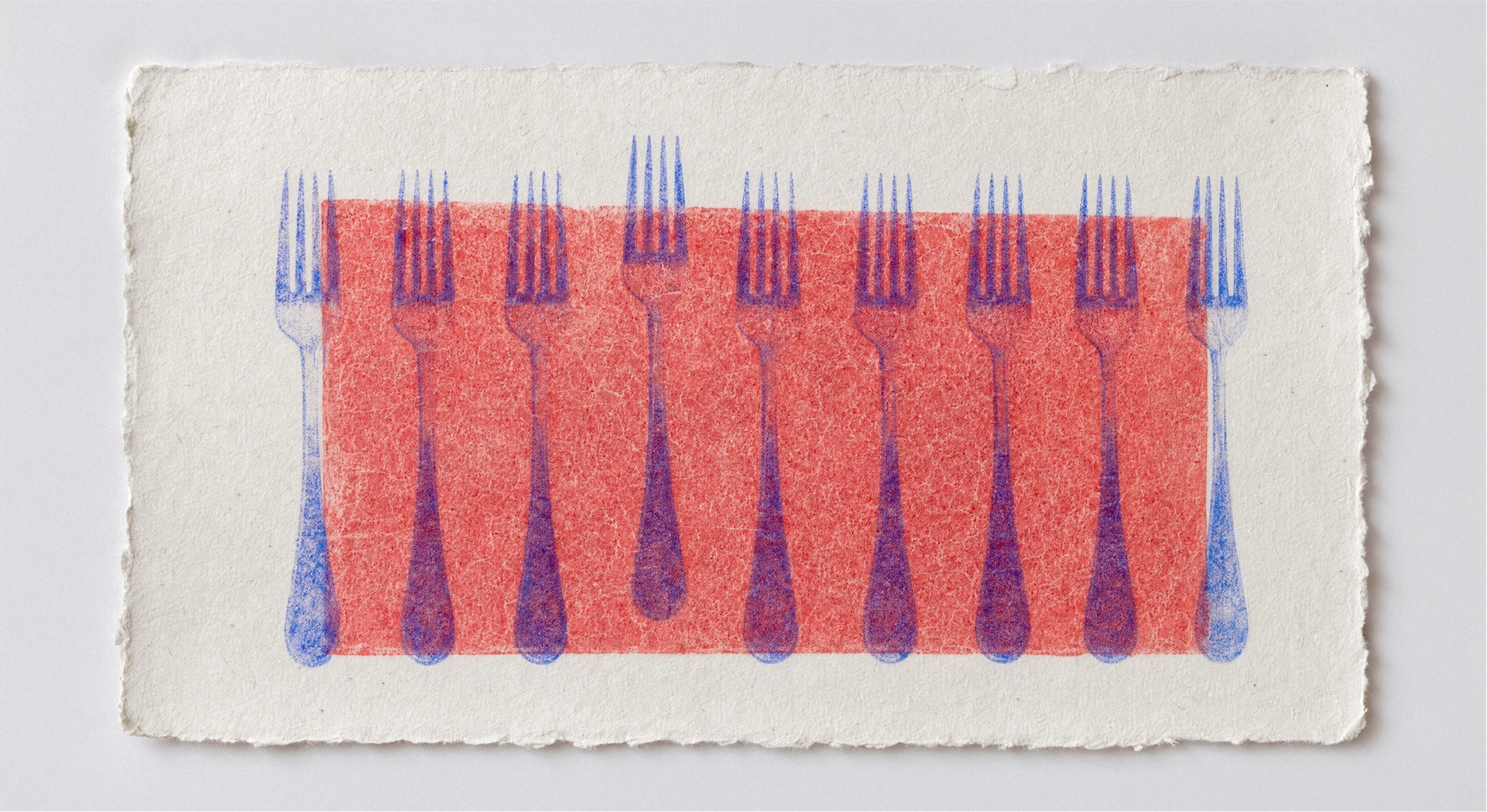
8. The Bear, season 2, episode 7, “Forks”
In this episode of The Bear, Chef Carmy decides to send his colleague Richie to intern at a fancy restaurant to prepare for the opening of their fine dining restaurant, The Bear. Once there, Richie is entrusted with drying the forks. He experiences firsthand the behind-the-scenes work that goes into making an exceptional front-of-house experience. It’s an episode about the joy of excellence, the role of inspiration in learning and growth, and how giving people these types of experiences can change the trajectory of their careers and lives—even if they can seem quite small at the outset.
What’s most inspiring comes next. You recognize the ways this visit changes the way Richie thinks, speaks, and acts. As someone who designs learning and development experiences for a living, it made me reflect on creative ways to expose people to new environments, practices, and people.
Recently, our Cambridge-based Talent team developed an amazing simulation-based learning experience. I brought in others from across our global Talent team to learn from what they were doing and bring the approach back to their own studios.
—Molly Zeins, San Francisco
9. Creative tech studios like noware
I’ve been inspired by the recent surge of creative technologists producing playful and beautiful tech products and wearables, like noware. noware’s Puff is a flash drive with an animated sprite entity that reacts as you add files, play music, and move around. I’ve been following one of the founders, Harry Isaac, for a while; they’ve done a bunch of very cool DIY creative tech projects, so it’s gratifying to see one of their ideas actually progress to a production-ready product.
I think people (myself included) are getting tired of tech taking itself so seriously. Tech development can be such a fun, powerful source of expression. And it’s never been more accessible. Yes, that can lead to more slop, but it also means these tools land in the hands of creatives who are brimming with ideas that can finally be realized. I’m inspired to see more people using tech as a creative medium.
As creative technology becomes more legitimized as a design practice, it feels like an invitation to burst beyond the limits of your discipline and experiment with different forms of design. Software, hardware, visual, experiential—I want to do it all.
As part of the team curating this year’s AI Variety Show—a collection of IDEO’s latest experiments in AI—I’ve been playing around with building a cyberdeck out of a 1980s GE radio clock. It’s been a satisfying challenge to repurpose old technology and transform a mass-manufactured product into something of my own.
—Alexa Chomat, Chicago
10. Craft Club
My friend and I started a monthly craft club three years ago with a small group of women in our neighborhood. Every month, we put new materials on a table, try something we’ve never done before, and somehow make wildly different things from the same prompt. We’ve done everything from flower arranging and felting to painting canvas totes and illustrating a simple children’s board book for two of the women who were pregnant. There’s no pressure to be good or make something useful; the point is to use our hands, experiment, and be together. Some crafts have been total failures; others we’re genuinely proud of. The unexpected outcome is that we’ve built a tight-knit little community along the way.
I spend so much of my work life as a Business Operations leader making things clearer, more strategic, and more efficient. Craft Club lets me let go of the outcome. We create the conditions—the people, materials, time, and prompt—but don’t control what comes out of them. It reminds me how much creativity comes from play, relinquishing control, making mistakes, and other people.
Craft Club reminds me not to over-design the answer. Build a thoughtful container, be intentional about what people need, and leave a little room for surprise.
—Sindhura Sonnathi, San Francisco
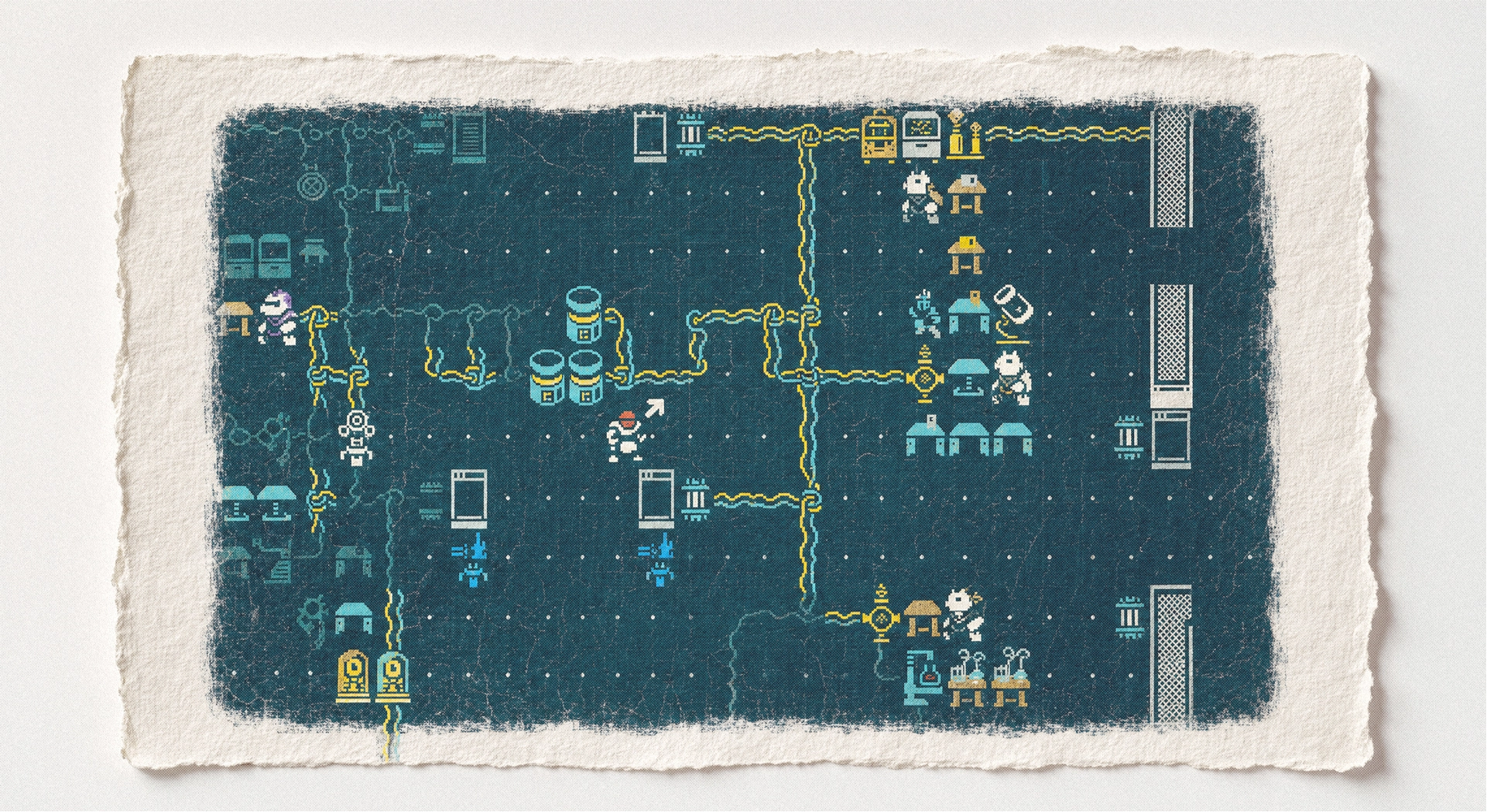
11. Next Level: Making Games That Make Themselves by Mike Cook; Caves of Qud by Freehold Games
My dissertation focused on how we procedurally tune video games to make them fair and unique for each player, and it has led me to become obsessed with an experimental field of game design called automated game design (AGD). AGD asks how we design systems (generally without LLMs) that use the combinatorial potential of procedural content generation in art, characters, behaviors, quests, levels, and more, in orchestration with one another to make games that are mind-bendingly unique and surprising each time you touch them, even if the designer left the game alone years ago.
A friend of mine recently published a book on this topic—Next Level—which includes case studies of some of the biggest examples in popular indie games (Spelunky, Dwarf Fortress, etc.). Among them is a recent gem of a game called Caves of Qud, which, despite its charmingly retro appearance, is one of the most advanced and engaging role-playing games ever made. This thing is not only capable of infinite stories tied to your character, based on in-depth political, biological, and narrative simulations, but also of producing stories that are actually good, not slop. No LLMs involved at all. The storytelling of this game is so good that it won a Hugo Award. If you can get past the interface, prepare to be lost for oodles of hours.
When games adopt experimental design practices like AGD, it often gets so esoteric that the researchers and designers forget about the “fun.” It can be a profoundly bittersweet experience—you see the potential for this new thing, but don’t have the template for how to get people to play it.
In the last five or so years, culminating in Caves of Qud, we’ve seen the technical advancement of AGD alongside obvious, critically and commercially successful games that use it. It means the area isn’t a dead end, and for a field with so much untapped and under-researched potential, it’s a zap of electric motivation for my craft.
I’ve been working in my free time on a game that takes these methods to the fighting game genre—infinite characters, moves, levels, and so on. I’m going to start streaming it on Twitch soon, so stay tuned.
—Sam Shields, San Francisco
12. The Skippyjon Jones book series by Judy Schachner
I started reading these books to my kids, and my initial reaction was, “What in the world is going on here?” And then they grew on me. I like that the author makes up words and mixes Spanish and English, and I admire her ability to think like a child—the weirder the plotlines, the better.
We’ve been talking a LOT about the craft of storytelling at IDEO U lately, with our new course, “Creative Storytelling with AI,” set to launch in November. I kept thinking, “AI could never write these books.”
It reminded me that the best stories are not always (or usually) grammatically correct. A sometimes tough pill for me to swallow as a writer…but also very freeing at the same time?
—Rachel Youngblade, Charlotte
13. Clever podcast, episode 226, “Neuroaesthetics Pioneer Suchi Reddy on How Form Follows Feeling”
In this episode, Suchi Reddy describes her approach to architecture as “form follows feeling.” The interview articulates an intuition that many of us experience when we visit places that evoke specific feelings, yet we struggle to explain why. Coming from a background in museums, arts, and culture, with a particular interest in architectural history, I was reminded of what I loved about studying the significance of buildings in our lives on a human level.
Thinking about the emotional responses we are trying to elicit serves as a design constraint across various crafts. As an organizational designer, I think about how people experience their teams, their work, and the overall structure of the business on a deeply human level. Neuroaesthetics helps us make intentional design decisions that can influence our brains and bodies in different ways. The same should be true about how we make decisions about onboarding, collaboration, team structure, incentives, and the other tools in our organizational design toolkit. Ultimately, it’s about making deliberate choices in our craft to shape how people feel within an organization.
—Andrée Heller, San Francisco
14. My magazine collection
I’ve collected magazines over the last 10 years, ranging from monthly issues of National Geographic to design and lifestyle publications like Deem or Kinfolk. Reading print magazines is a sensory experience that helps me access my creative headspace. I love the tactile process of flipping through the pages, noticing the weight and materials, typography and color, and the depth of storytelling that can be conveyed in both short- and long-form pieces. The act of reading and absorbing the material stimulates my own thinking and helps me make connections that deepen my understanding of people, places, and culture.
Our Global Brand and Marketing team has a monthly Magazine Party where we each bring in a piece of print inspiration and share what we like or don’t like about it. It informs how we think about designing physical and digital experiences and fuels strategic conversations about what makes a story resonate. Once I’ve read through a magazine cover to cover, I often use it as collage material. The act of collaging by cutting out words and images to tell a story or convey a feeling is my favorite way to engage my senses and experiment with ideas.
—Rebecca Bass, San Francisco
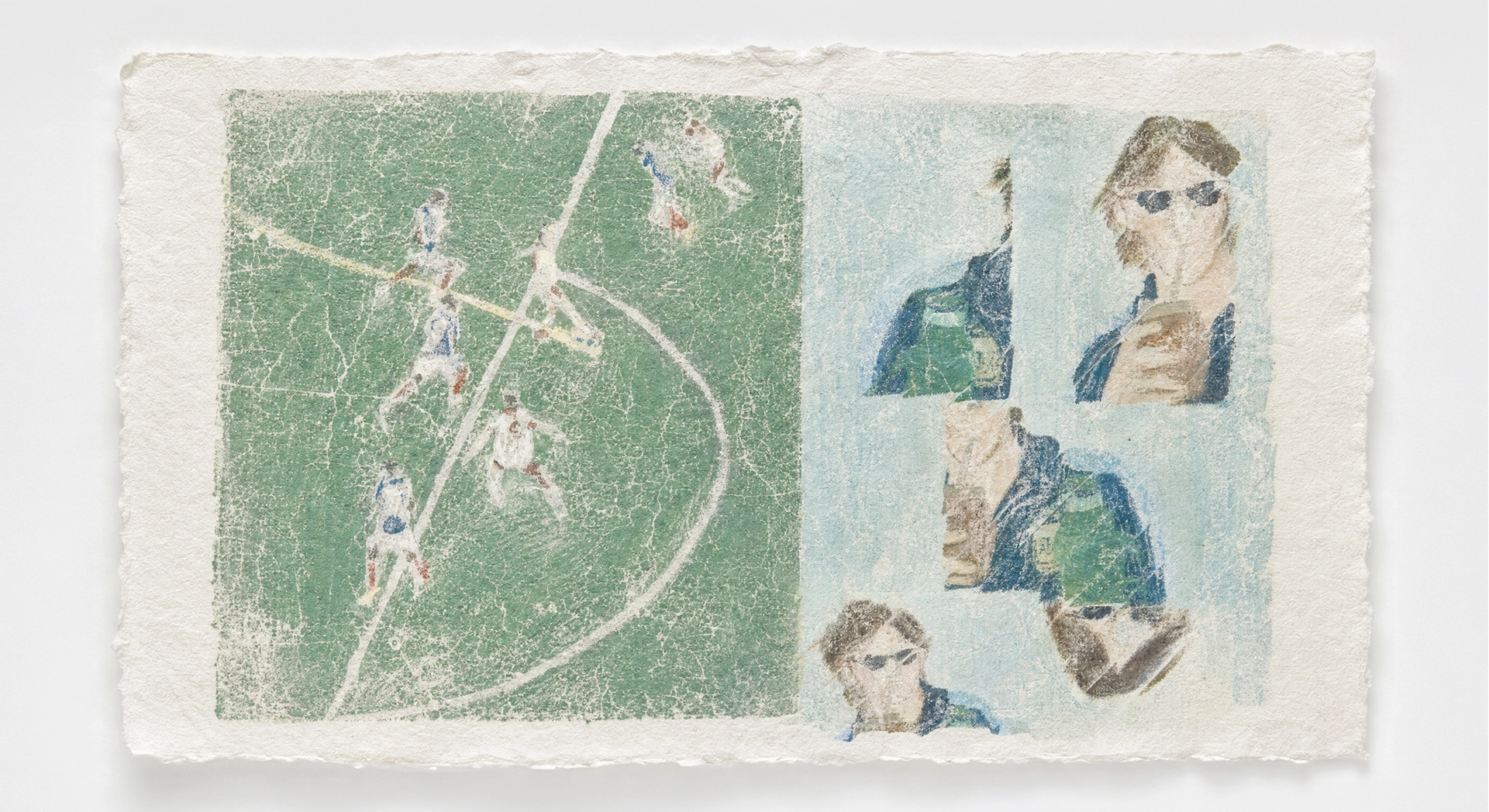
15. FIFA World Cup 2026
Football is what the Soviet-era Russian composer and pianist Dmitri Shostakovich once called “the ballet of the masses”: a mesmerizing backheel assist attempt, a spectacular hat trick, a remontada (comeback) cemented in the last 15 minutes, a late winning goal right before stoppage, back-to-back goals scored four minutes apart, and the drama of a video-assisted goal. It is a game of relationships between players, spaces, movements, and thousands of people experiencing the same moment together. I watched this year’s World Cup outdoors all summer, surrounded by other fans in their kits, and it underscored exactly how much we need spaces that make these encounters and gatherings possible. To meet the world is to be alive.
“The beautiful game” reminds me of what one of my favorite architects, Tatiana Bilbao, keeps returning to: “We need our own individual bodies to exist on this planet, but we also need each other.” This idea shapes how I show up at IDEO as a designer, from leading teams to understanding how people move through an experience to creating imaginative spaces where people can dream and navigate unknown terrain and emerging technologies together.
Naturally, the dream project I’d put into the universe is reimagining the fan experience that starts at the stadium and extends across channels, particularly what possibilities and limits emerging technologies like spatial intelligence and immersive realities bring as the game keeps expanding. I also sketched my way through the tournament.
—Jenina Yutuc, San Francisco
16. Intuitive painting
I call intuitive painting the antidote to much of society’s negativity and pressure right now. It’s simply painting with no idea of the final image in mind, without perfectionism or judgment. It’s super simple to sign up for and do, and the results are pretty consistent. It helps me get out of my head and reconnect with my body and intuition. I come out of it with a more spacious mind, which helps me be more creative.
—Eva Mejia, San Francisco
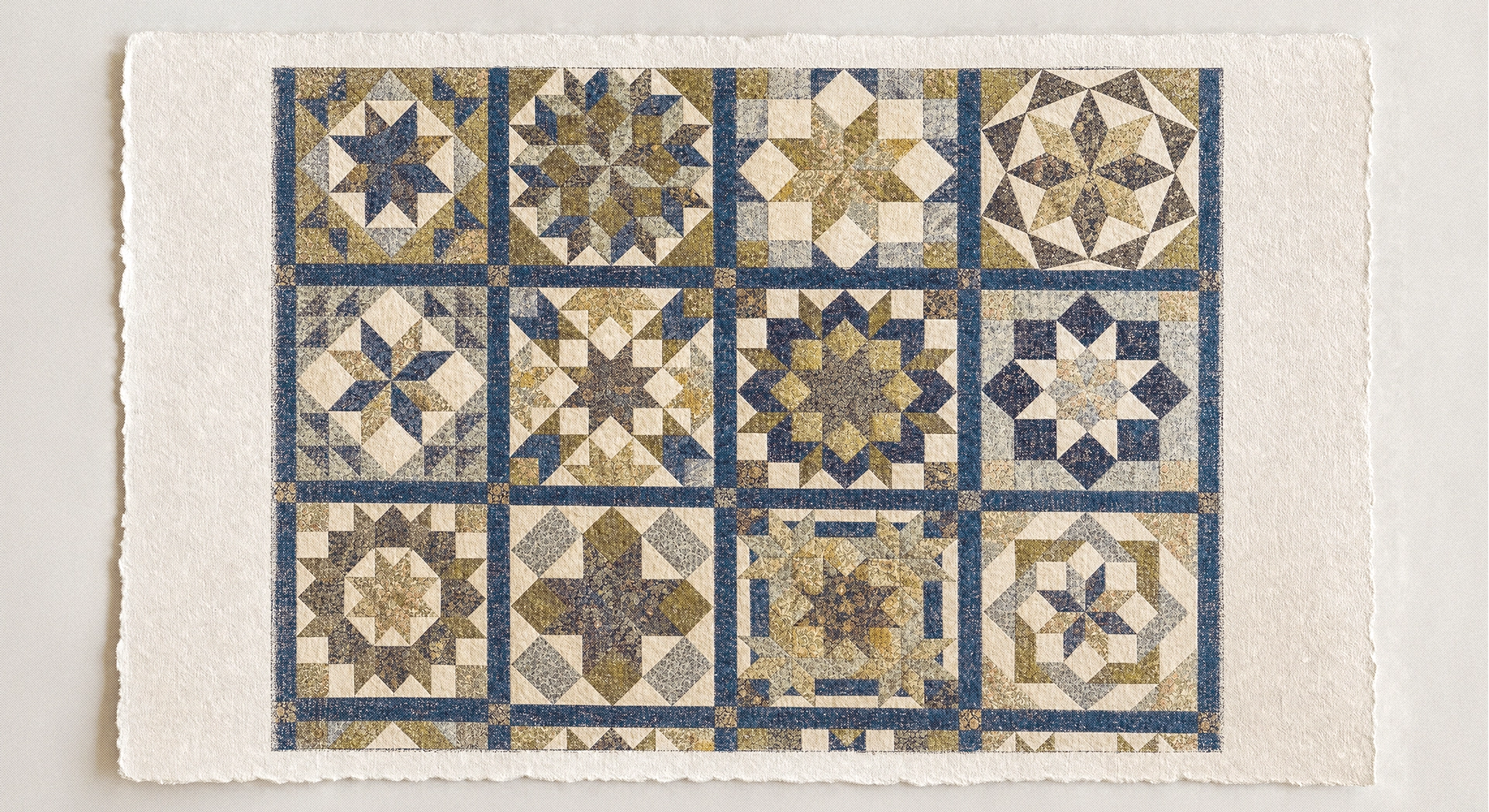
17. r/quilting subreddit
I love reading this subreddit feed of quilters posting projects, questions, answers, frustrations, and help. This is a place where people live the IDEO values of “learning from failure” and “making others successful” in real time. People post their mistakes and either ask for help or learn to embrace them. There is an unending flow of questions and answers, patience and support—it’s one of the kindest places on the internet. And it has led me to some designers and fiber artists that I really like to follow, like Quilting Jetgirl.
This subreddit inspires my quilting practice, which in turn inspires my product design and research crafts. It helps me slow down and connect with the physicality and materiality of the world around me. It forces me to pay close attention; it helps me work on precision; it helps me learn when to rip out a seam and when to leave it in and love it for the imperfection that it is.
It inspired me to try an incredibly time-consuming form of quilting called English paper piecing—you cut paper to the size and shape you want for the design, wrap fabric around it and baste it, and then whip-stitch (by hand) each piece together. It is wonderfully portable and opens up patterns that are not as accessible with machine piecing. And it takes FOREVER, which is a delight.
—Jamie McCoy, Chicago
18. Black Panther Party Community Survival Programs, 1967–1982
The Black Panthers, the revolutionary Black power and self-defense organization, created mutual aid programs that offered essential services such as free breakfast for children and free sickle cell disease testing. Instead of just pointing out a problem or gaps in the system, they provided independent solutions that demonstrated their own power. As Scot Nakagawa writes in the Anti-Authoritarian Playbook, “Mutual aid was never just about survival. The Panthers used their programs to expose systemic failures and organize for systemic change.”
Taking initiative and creating solutions to problems doesn’t just plug a hole; it can also point out what’s wrong with the system.
This approach has encouraged me to challenge our working methods and culture—as a way to point out shortcomings and to show that we don’t need to be complicit with what we’re uncomfortable with. All power to the people.
—Kathy Huang, San Francisco
19. Word for Word’s immersive production of The Strange Library by Haruki Murakami
During the usual 15-20 minutes it took for attendees to enter the theater, navigate the stairs, find their seats, and wait for the performance to begin, Word for Word transformed every moment of The Strange Library into an integral part of the story’s universe. As theater-goers entered, they received a library slip along with a borrowed book. They were then taken on a maze-like journey through the stage before finally being seated.
When I attended this performance, IDEO’s Emerging Tech Lab was preparing to host the “Unspoken Future of Work” salon, a special evening event for 30 leaders exploring the intersection of livelihoods, work, and technology. Seeing Word for Word’s immersive play inspired me to design a memorable experience for our guests, from the moment they entered our building to how they settled in and later engaged in dinner conversations.
—John Won, San Francisco
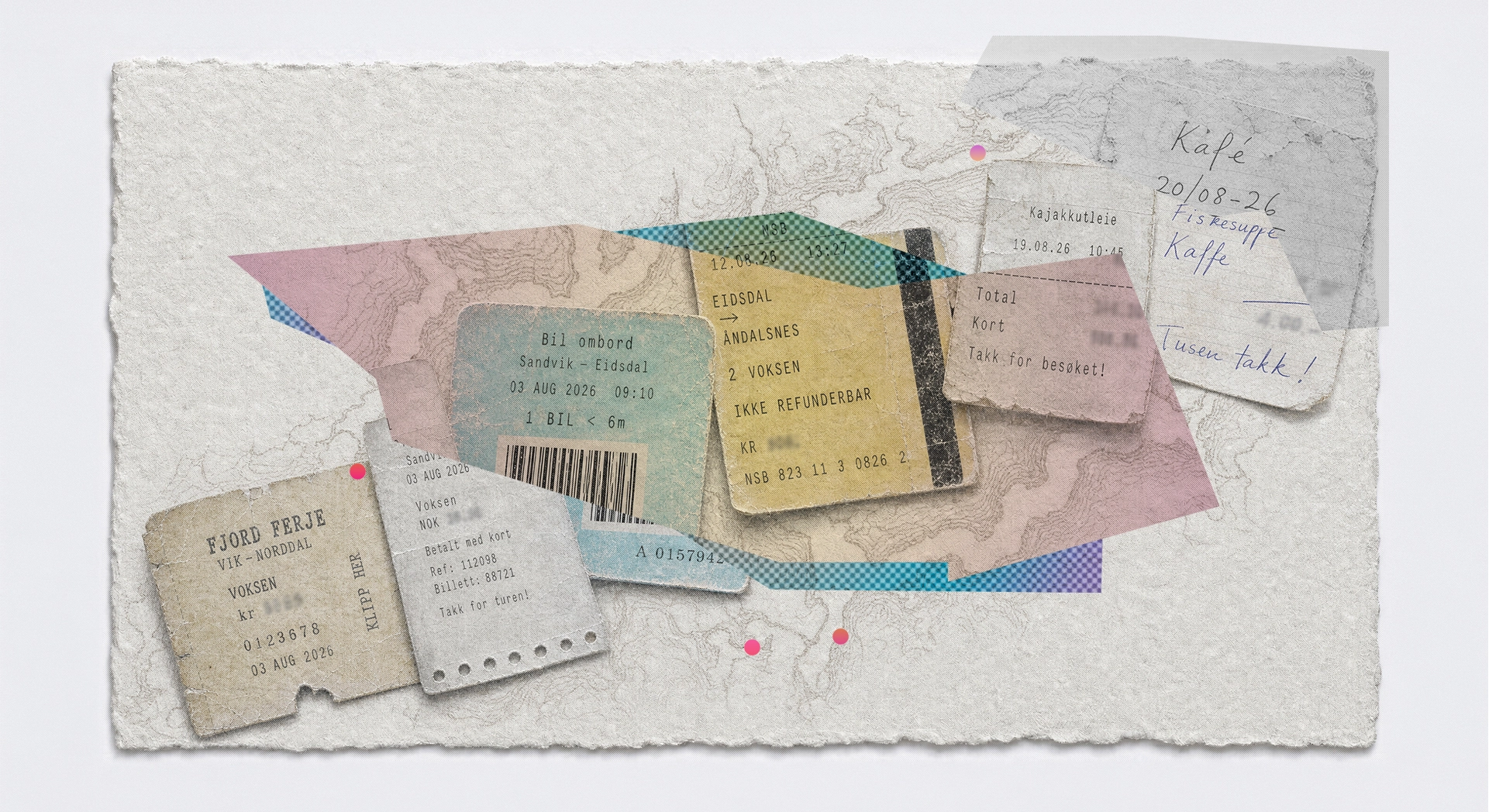
20. A multi-stage, multi-modal journey across the Norwegian countryside
Traversing through the heart of Norway was a true immersion into the unique landscapes of this beautiful country. We took a train, another train, a ferry, a bus, and yet another train—all within 14 hours. Part of why this experience was so memorable was both its epicness and the hassle, which might seem counterintuitive. When we were planning this trip, we knew this single day would be a long haul, and we’d have to drag our suitcases on and off various trains and buses. Each leg of the journey required separate tickets, and while some rides offered assigned seats, others operated on a first-come, first-seated basis. It even felt stressful on paper—especially with a kid and a grandfather with limited mobility in tow.
But in practice, the haul-ness of the journey somehow made it…better. More meaningful. Being on a train, gazing out the windows at a waterfall, changing trains at a small, rural station, and hopping on a ferry at the base of a fjord—all felt real and tangible. The slight stress/excitement of wondering, “What is the next leg? Where are the tickets? Don’t forget your suitcase! Where is Grandpa? Will we have time to use the bathroom at the next stop? Surprise! Mom bought us all Norwegian candy, and it will be our lunch!” made it more memorable. It heightened our senses and made us feel like participants in the journey rather than just observers.
We’ve spent a lot of time on recent projects exploring how a little friction can be a good thing, and this was a great example of how the right amount of friction can enhance the experience. Also, the journey struck an excellent balance between structure and letting it be what it is. Sometimes, you have to allow the story to emerge from the experience rather than forcing a narrative onto it.
—Matt Hovde, Chicago
21. Calculating Empires: A Genealogy of Technology and Power Since 1500 by Kate Crawford and Vladan Joler
This large-scale installation by interdisciplinary researchers, artists, and scholars Kate Crawford and Vladan Joler aims to illustrate how technical and social structures have co-evolved over the past five centuries. It’s monumental, detailed, and comprehensive, spanning a wide range of perspectives on the world, from economics to theater. It’s also very beautiful.
I didn’t expect to see art on technology and its impacts throughout time and human experience—which I think about professionally all the time—during a family trip to an art museum. But I did! It was thrilling to see such a grand and eloquent expression of a topic I care so much about, especially since my mom was there and I could share it with her. The artwork is a direct expression of a craft I care about—data visualization—and an explanation of a topic I care about, and such a high-quality expression of both. Turtles all the way down!
—Jenna Fizel, Cambridge
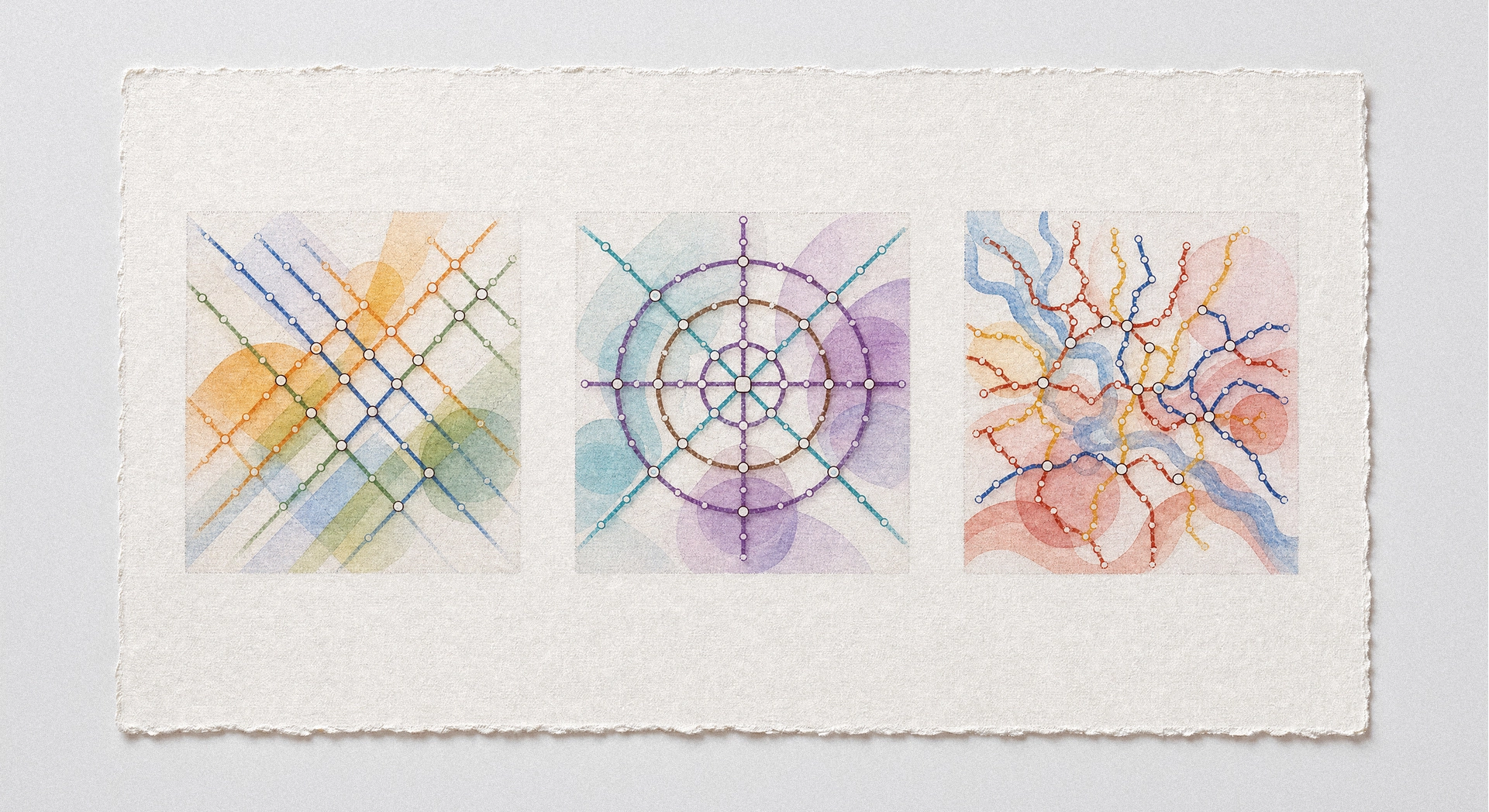
22. Subway maps
Subway maps are audacious little diagrams that take an entire city’s tangled nervous system and flatten it into something a jetlagged tourist can read in a few seconds. They are lying to you—and that’s the best part. They’re not geographically accurate (stations get stretched, curves get straightened, entire neighborhoods get politely shoved out of the way), all in service of clarity. A map that told the whole truth about geography would be useless; the abstraction is the usability. I’ve spent an embarrassing number of hours comparing subway maps across cities, studying how each one decides what to keep, what to simplify, and what to sacrifice.
All that study has reframed how I think about confidence. A good subway map doesn’t just tell you where to go—it makes you feel like you already know the city, 30 seconds after arriving in it. That’s not a small trick. I also love that these maps are cultural artifacts as much as functional ones—the color choices, the typography, the little icons—they carry a city’s personality while still doing hard technical work. Function and identity!
Ultimately, these maps are interaction design with the interactivity removed, and that’s exactly why they’re such good teachers. They force the question I try to ask in every interface I build: What is the minimum abstraction that still lets someone act with confidence? Every subway map is a masterclass in hierarchy, orientation, and trust.
—Tushar Ghei, San Francisco
23. The Late Late Show with Craig Ferguson, 2005–2014
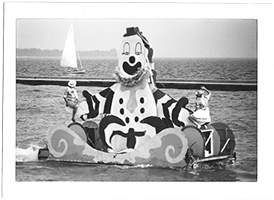
This self-deprecating twist on the late-night format was funny when it first aired in the early 2000s and now has a bizarrely anthropological quality 20 years later (you can find old episodes here). There are jokes about Dick Cheney shooting his lawyer in the face, serious commentary about celebrity mental health in the wake of Britney Spears shaving her head, and repeated references to how awesome the show Mythbusters was. On the one hand, it’s a reminder of a different time when all our lives felt simpler, and on the other, it’s a total farce of the format. When the roof of the studio leaked, Ferguson spent the entire monologue ranting about the bucket on the floor. When there were timing or electrical issues, they turned the camera on the producer and made him a character (unlit, unmiked). When they couldn’t afford a band or a sidekick, they put a couple of interns in a horse costume and had them dance around every time they played a certain song. I don’t know exactly what it is or why, but I have never laughed harder in my life.
The older I get, the more I appreciate and value: one, legitimate laughter; two, taking creative risks, even though they might be ridiculous; and three, people abandoning the airs of what’s “expected” and doing what makes them happy and enjoy their jobs a bit more.
As someone with a self-deprecating sense of humor who is often in situations where I need to get creative about how I spend money or resources, it’s a great example of make-do-with-what-you-got and never-take-yourself-too-seriously. Every time I find myself getting too stuffy or taking things way too seriously, I put on an episode of The Late Late Show, laugh, and give my brain a hard reset. It also inspired me to make something of my own. Two words: puppet show.
—Shannon Vossler, Chicago
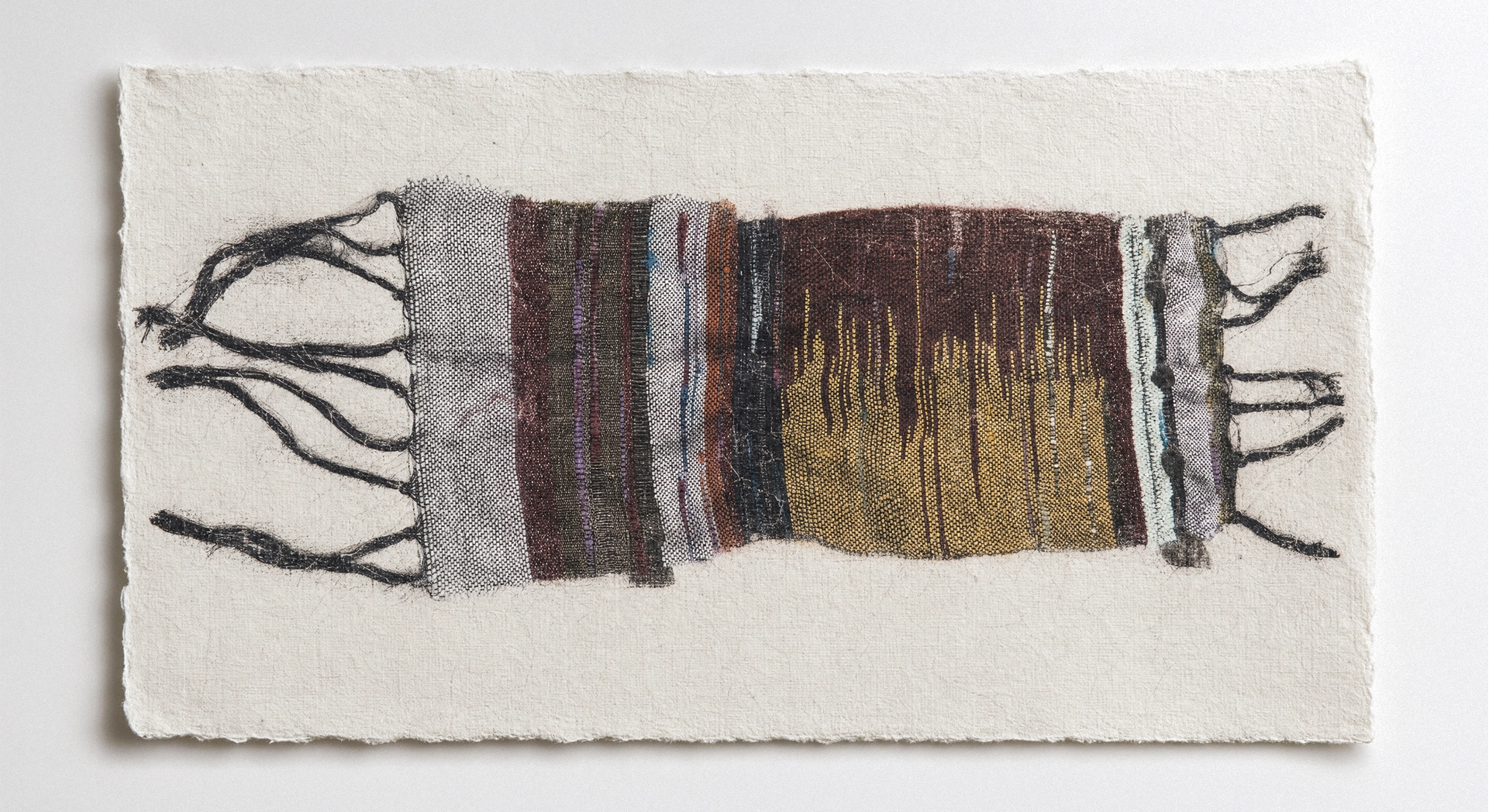
24. Weaving
I never appreciated weaving as an art form until fellow IDEOer Zoey Zhu shared some of her pieces with me. Then I spontaneously stumbled upon a charming weaving studio and signed up for a class on the spot. Once I got the hang of the shuttle and the pedals, the rhythm felt deeply organic. It also taught me how to surrender. I started with a vision but quickly learned that the loom and the materials would lead the way. I had to trust my instincts, let go of the need to be right.
Digital products feel more conceptually defined and linear than other crafts. Still, you end somewhere surprising, and that comes from the very stuff that inspires and shapes other crafts: inspiration from the world, collaboration, instinct, deeply listening to and observing humans, and seeing them in their context (even if it’s just watching them scroll on their phone during a commute). This idea of weaving feels like the perfect metaphor: trust.
—Gaby Ruiz-Funes, Chicago
25. Character as Form (Beyond Criticism) by Aaron Kunin
Kunin is an especially odd writer, and here he tries to understand what kinds of things “travel.” How does literary form allow for multiplace instances of a thing, such as a character? I especially like that his definition of character is the Renaissance definition: a collection of types of people—“misanthrope,” “lover,” “Don Juan.” It also allows us to see how literature moves materials from one place to another. For example: different actors can play the same character, and we still understand that it’s the same character. Usually, a different context means a completely new person or new story.
So we can see the misanthrope appear in different mediums. Or understand that in the Fred Astaire movie Blue Skies (1946), when Astaire is dancing and six dancers, dressed and dancing exactly the same, flank him throughout the scene, are all playing Fred Astaire. One character can have multiple instantiations.
I am bored by conversations around AI and taste. I don’t think taste really matters. I think what’s interesting about Kunin’s book is that he takes literature seriously as a problem-solving mechanism. In his telling, we need some sort of constancy of character, some way to recognize things as the same even as they’re moved into a new context, so we have continuity between past, present, and future. Each new addition might add to our encyclopedia of “misanthropes,” each new portrayal of James Bond might add to our understanding of “secret spy,” and thus our collection of characters grows and deepens.
In Kunin’s book, literary form becomes a testing ground. What forms of our social world travel? What forms don’t? What can be formalized, in the sense that there can be more than one of it? This is important because we need forms that outlast us, so we don’t need to continually rebuild society from scratch.
It inspired me to make Bot Idol, the world’s first-ever character coherence test for your AI bot’s voice, tone, and credibility.
—Andy Reischling, Cambridge
Heading 1
Heading 2
Heading 3
Heading 4
Heading 5
Heading 6
Lorem ipsum dolor sit amet, consectetur adipiscing elit, sed do eiusmod tempor incididunt ut labore et dolore magna aliqua. Ut enim ad minim veniam, quis nostrud exercitation ullamco laboris nisi ut aliquip ex ea commodo consequat. Duis aute irure dolor in reprehenderit in voluptate velit esse cillum dolore eu fugiat nulla pariatur.
Block quote
Ordered list
- Item 1
- Item 2
- Item 3
Unordered list
- Item A
- Item B
- Item C
Bold text
Emphasis
Superscript
Subscript