








What are the first three words that come to mind when you think of robots?
When we pose this question to audiences, the words “cold,” “industrial,” and “machine-like” typically surface. This makes sense. For the better part of a century, robots have been shaped by the environments they were built to serve: factories, assembly lines, and warehouses. We also hear terms like “humanoid” and “scary,” because we have a human-centric tendency to make robots in our own image, thanks to the visions of the future we’ve inherited from science fiction.
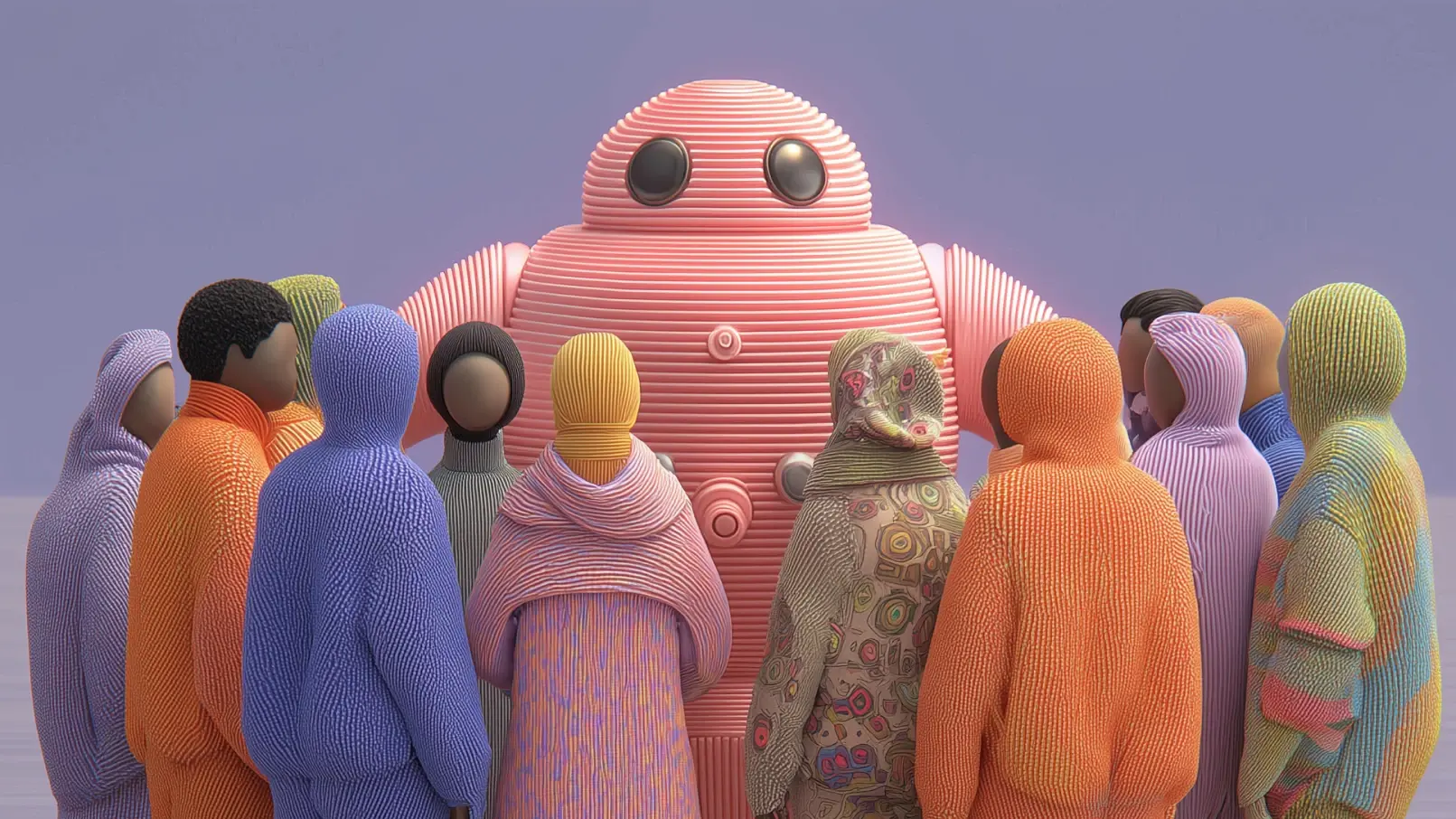
We think it’s time to break out of this incredibly limited aesthetic palette, which is why we created Strange New Bodies, a robot design toolkit. Robots are unlike any other life form. They’re not constrained by the slow pace of evolution. They don’t need to resemble us or any other familiar organic forms (hello, robodogs); not all of them need to look like they’re for assembling cars. And they don’t have to exist solely to serve us as their ultimate “masters,” to whom we can do anything. The real limitations on their form, function, and materiality are the boundaries of human imagination.
So why are we dreaming such small, dull, antiseptic dreams?
As robots increasingly become part of our homes, hospitals, and public spaces, their design—how they look, move, and behave—will significantly impact us. Bringing robots into everyday life has the potential to create hierarchies and reinforce stereotypes, or challenge and dismantle them. Their aesthetics, whether they seem threatening or friendly, helpless or helpful, will affect how we feel about them, shape our relationships with them, and influence how we behave, individually and collectively. What is reinforced through the design of robots bleeds into what is socially acceptable in our non-machine relationships as well. This is a major design problem that deserves deep energy and creative intentionality.
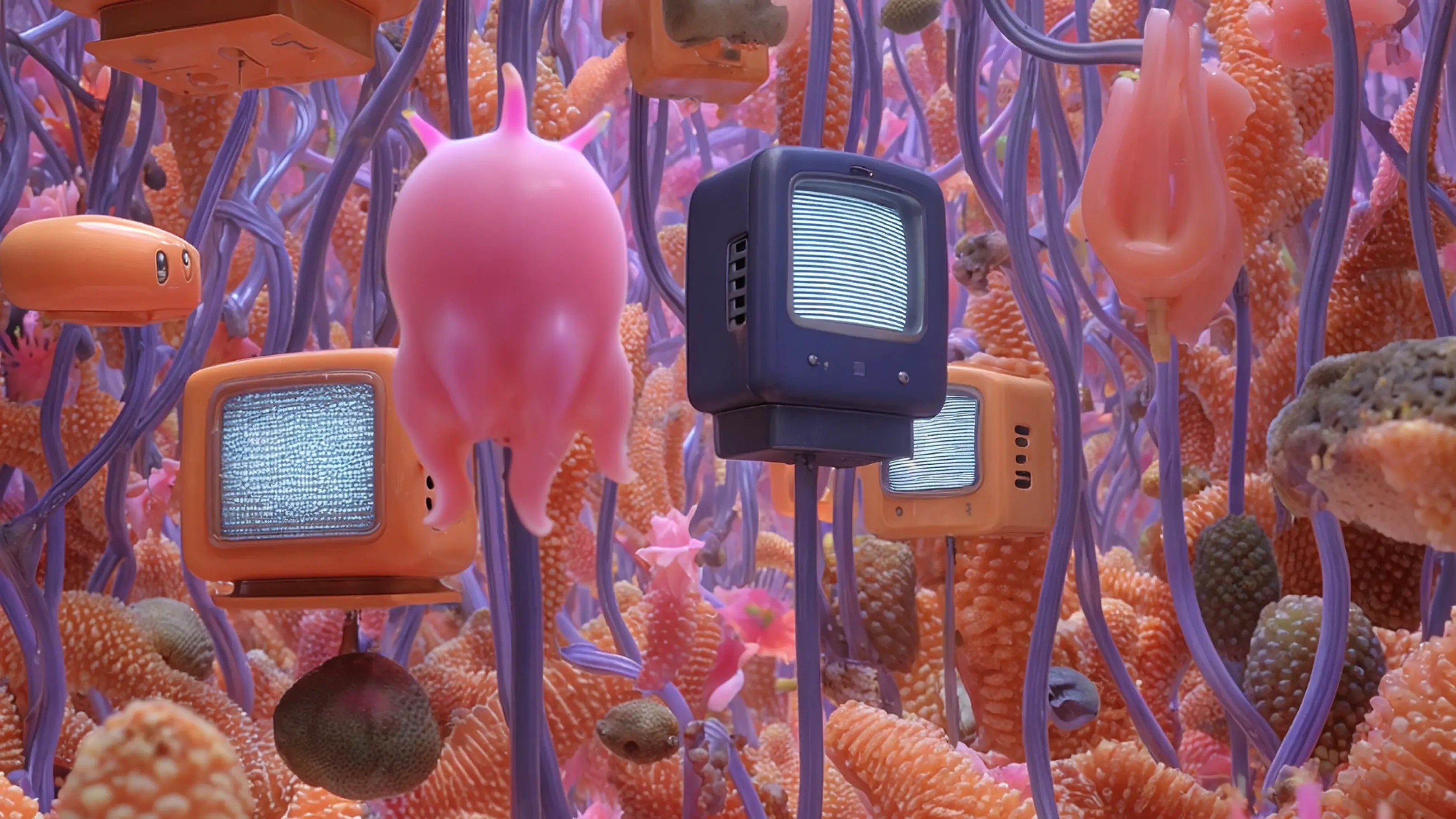
Rather than continuing to view our relationship with robots as cold, extractive, and based on forced labor, we believe in a future that’s more expansive, mutually beneficial, and reciprocal, grounded in trust and interdependence. It’s an approach we’ve taken in our own work. We’ve helped design AI-enabled companion sewing robots with Jack Technologies that enhance garment workers’ well-being; taught scent-diffusing robots to dance in collaboration with Dutch design brand Moooi; and designed innovative mammogram machines and surgical robots with global healthtech companies that improve the screening and recovery experience for patients, while simultaneously streamlining workflows for busy technologists.
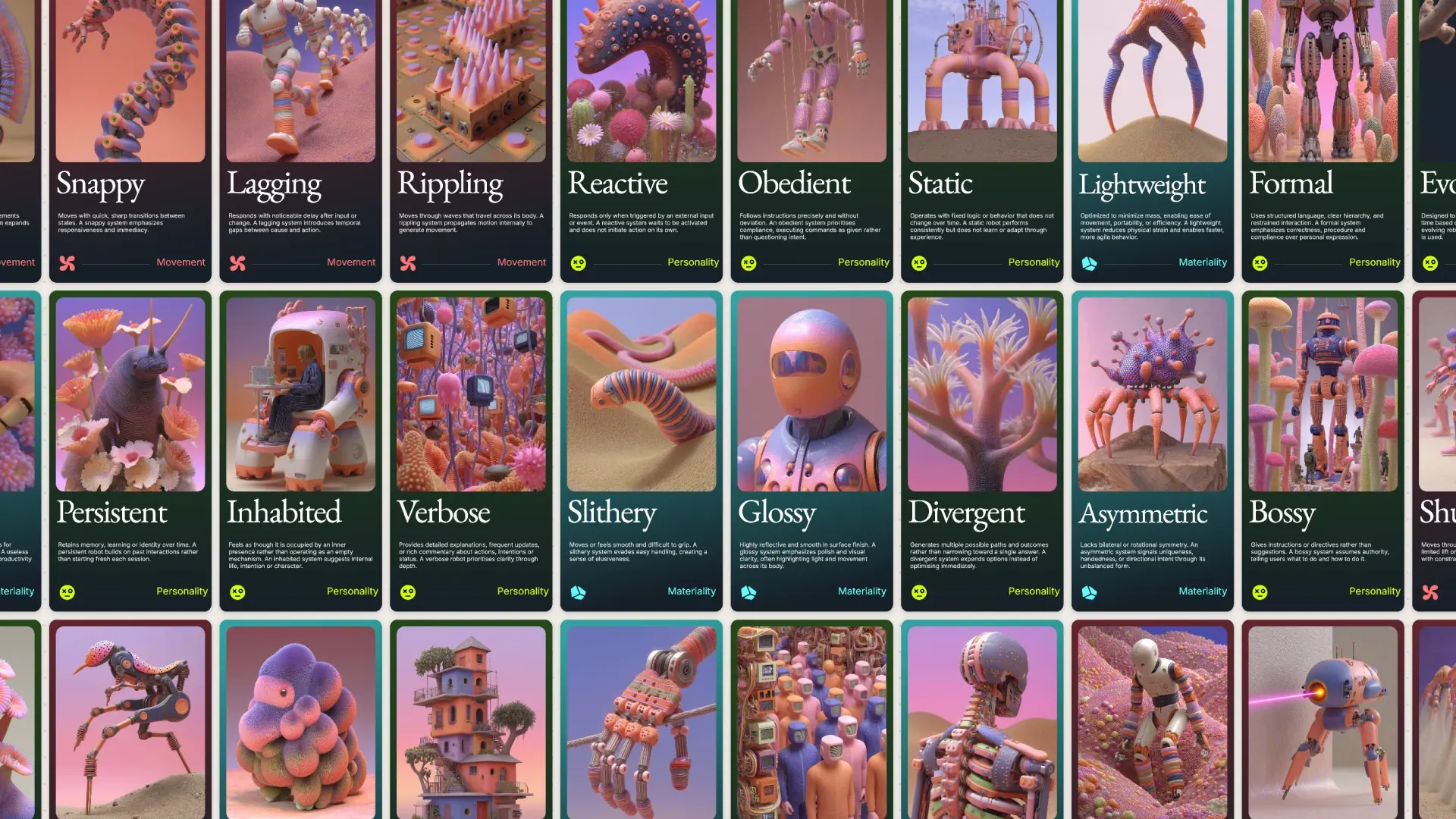
We also believe you don’t need to be a roboticist to wildly imagine a different future. Strange New Bodies, inspired by tarot, is a deck of cards that features divergent vocabulary to expand our design language, as well as questions that push us to think more deeply about our creations. This toolkit is for designers, engineers, artists, educators, students, and futurists—anyone who has ever looked at a robot and thought: “It could be more than this…”
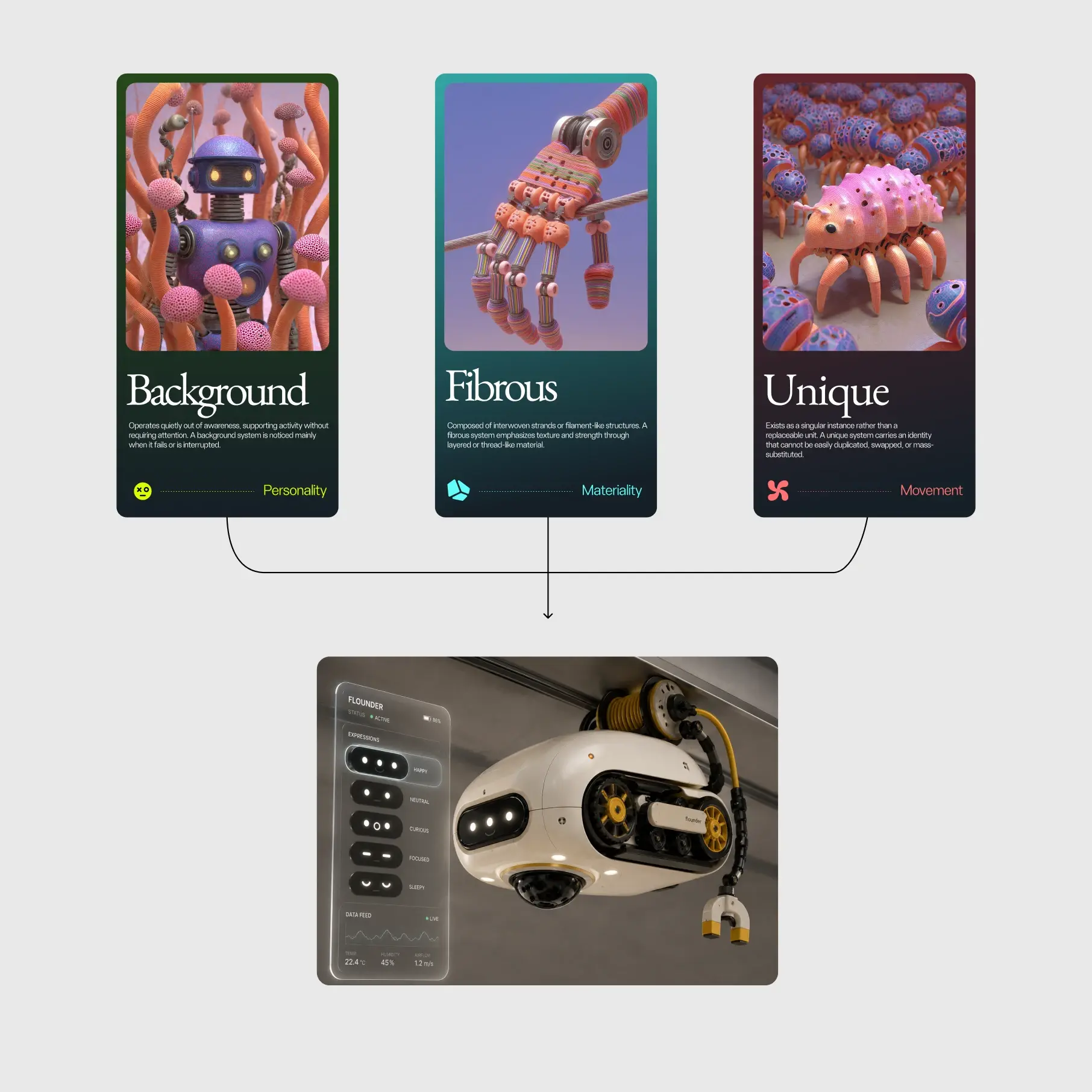
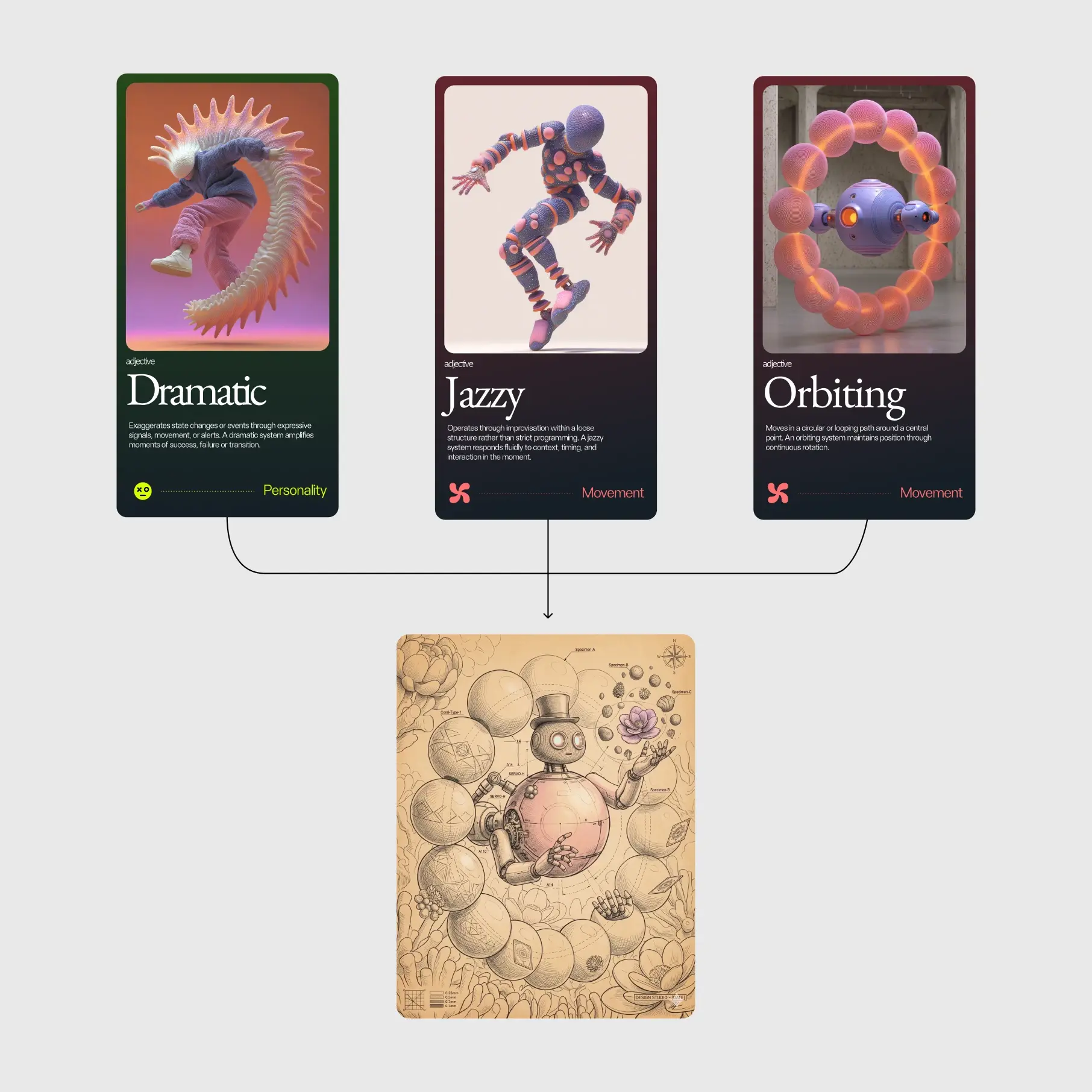
The 162 cards are oriented around three core dimensions of robot design—personality, materiality, and movement. There’s no singular, right way to use them. You can pick one card that excites you, two that seem to sit in tension, or one from each of the three categories. Or, you can use one of our official spreads. It’s up to you.
Consider this a personal invitation to dream bigger, stranger, healthier, and more generously about our future relationships with robots—starting now. Use Strange New Bodies to create your own robots, or get inspired by what we’ve come up with.
Interested in designing new robots and better relationships with them? Get in touch.
Strange New Bodies designers: Nirav Beni, Jeremy Chen, Savannah Kunovsky, Yicen Liu, Ridima Ramesh, Ron Wiener, and Zoey Zhu at IDEO, and Olivia Vagelos at The Design for Feelings Studio.
Heading 1
Heading 2
Heading 3
Heading 4
Heading 5
Heading 6
Lorem ipsum dolor sit amet, consectetur adipiscing elit, sed do eiusmod tempor incididunt ut labore et dolore magna aliqua. Ut enim ad minim veniam, quis nostrud exercitation ullamco laboris nisi ut aliquip ex ea commodo consequat. Duis aute irure dolor in reprehenderit in voluptate velit esse cillum dolore eu fugiat nulla pariatur.
Block quote
Ordered list
- Item 1
- Item 2
- Item 3
Unordered list
- Item A
- Item B
- Item C
Bold text
Emphasis
Superscript
Subscript

.webp)

